
Ulusal HİS Association
Civilisations of the region through history
A short historical outline from hunter-gatherers to the Republic
Eight periods around the Bey Mountains, from the first people to the present. Each left a way of life shaped by the region's nature.
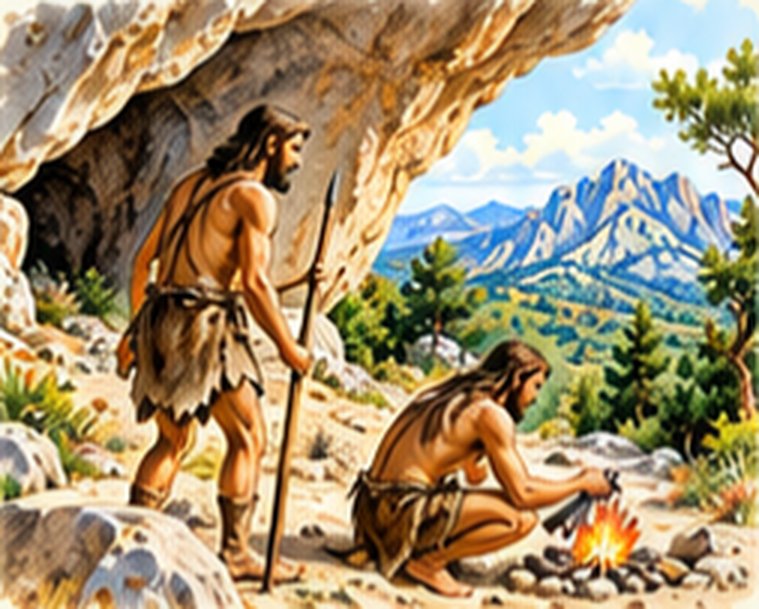
Hunter-gatherer period
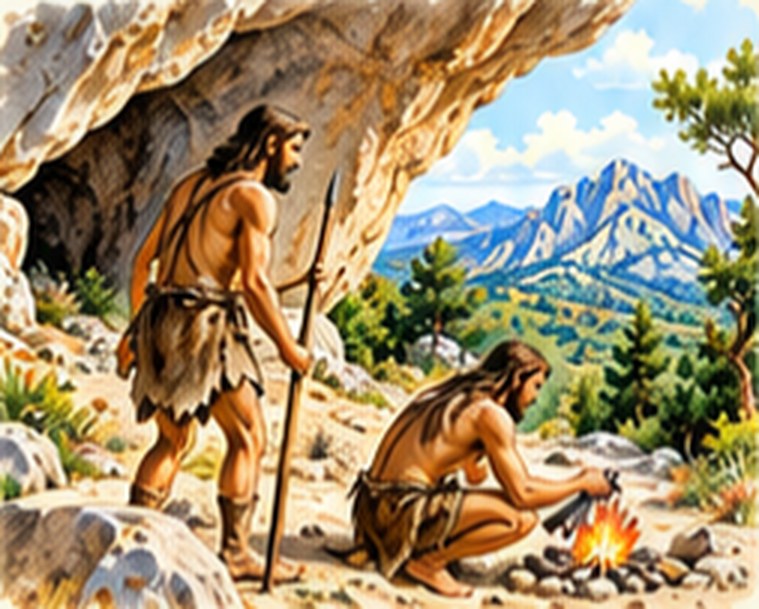
The first people here lived in caves and rock shelters, moving with the seasons and living by hunting and gathering.
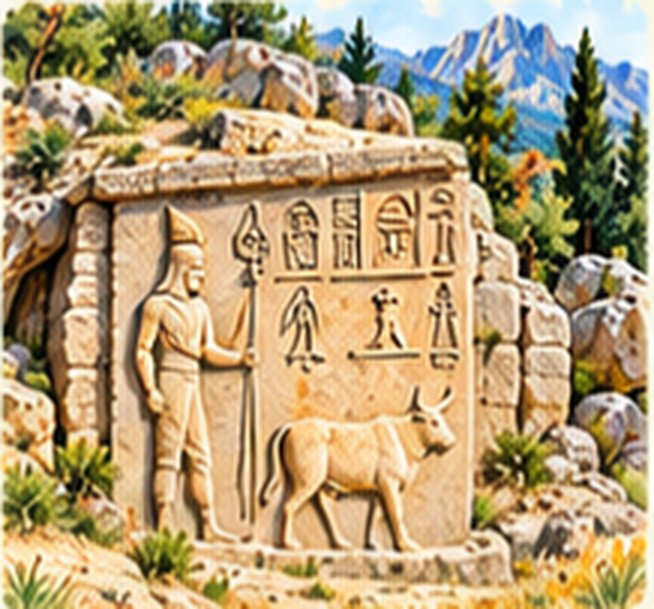
Luwian period
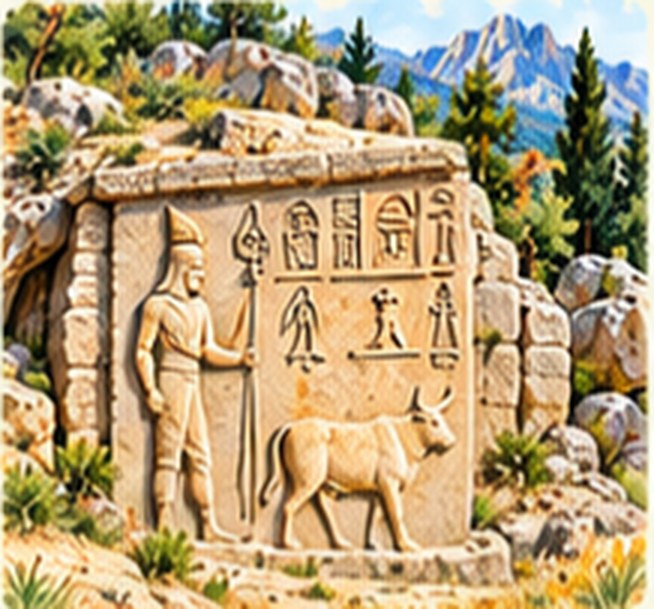
The Luwians who lived here led a life in harmony with nature, farmed the land and left important traces such as rock monuments and reliefs.
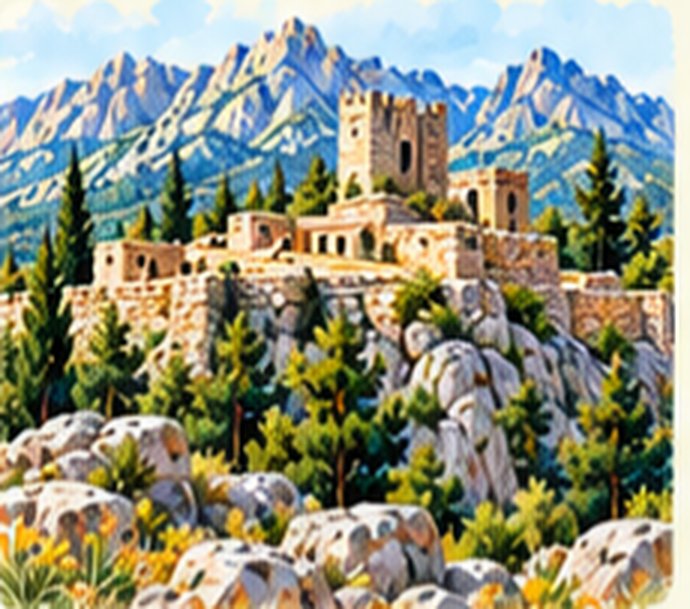
Pisidian period
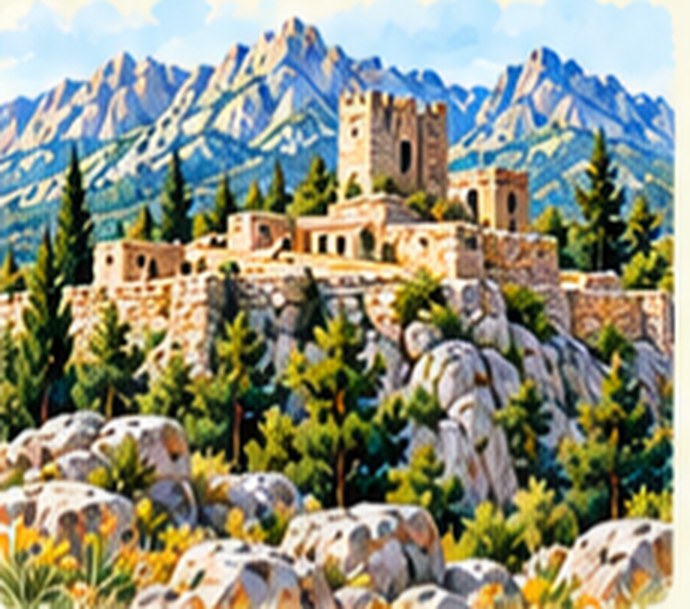
The Pisidians lived in the mountains, built walled cities, farmed and kept livestock, and played an important part in defending the region.
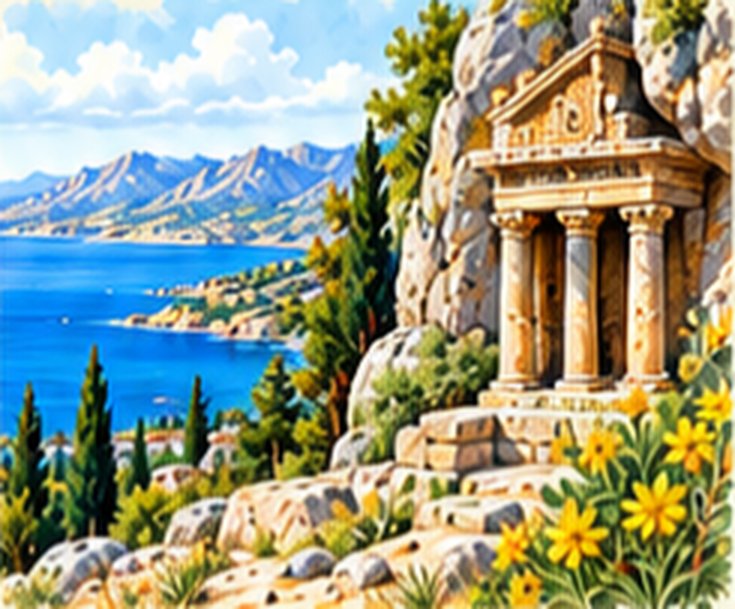
Lycian period
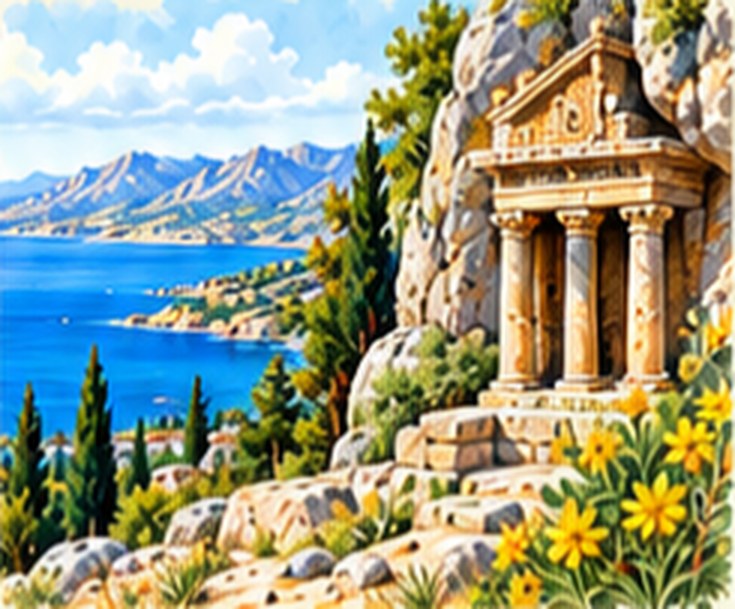
Between the sea and the mountains, the Lycians developed a distinctive culture and left a rich legacy of rock tombs, terrace farming, harbour cities and trade routes.
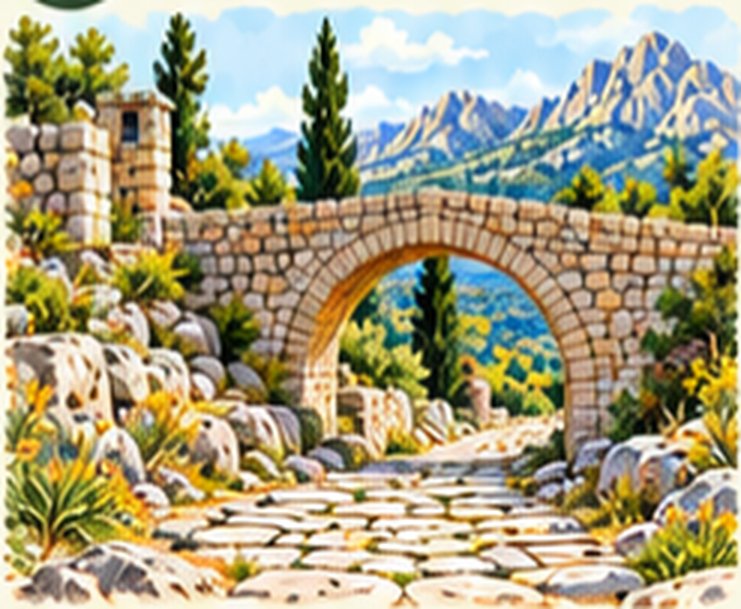
Roman period
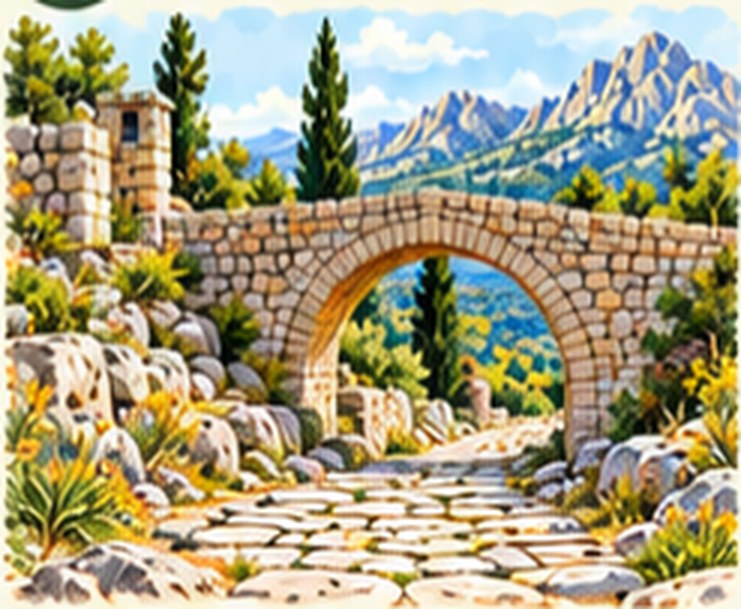
Under the Romans, roads, bridges, waterworks, baths and settlements were built, and the region became an important centre of farming, trade and culture.
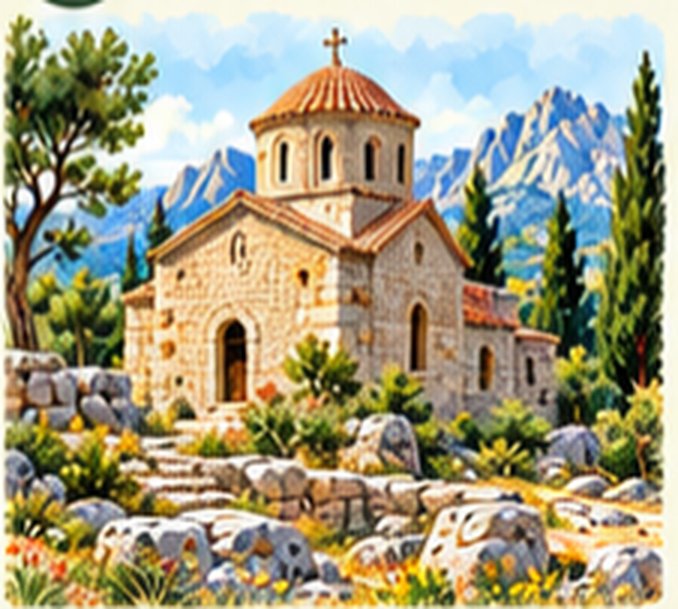
Byzantine period
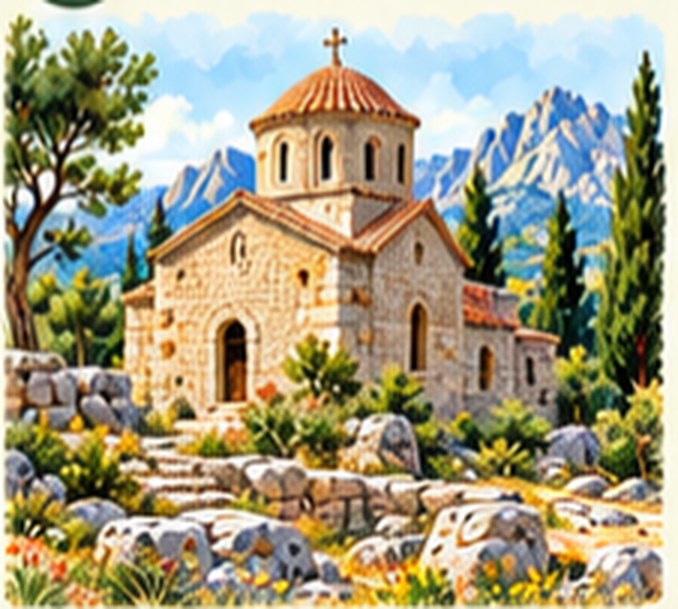
Rural life carried on in the Byzantine period, and cultural life continued through small settlements, churches, monasteries, waterworks and defences.
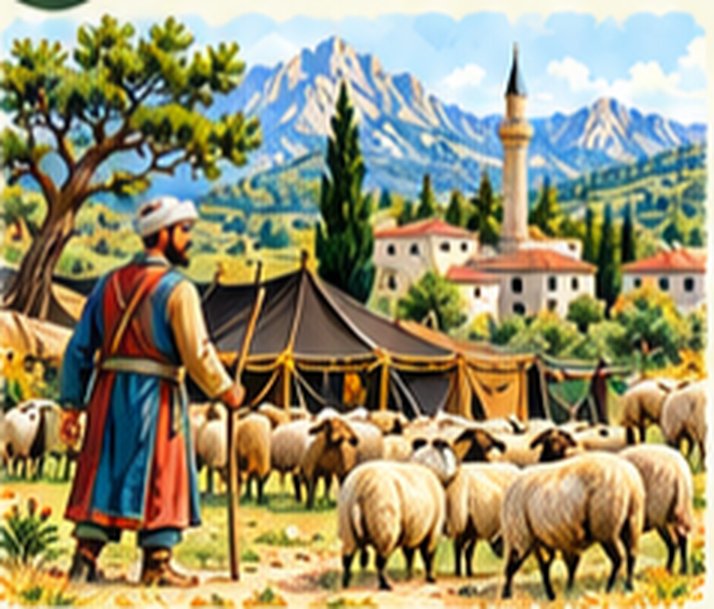
Seljuk and Ottoman periods
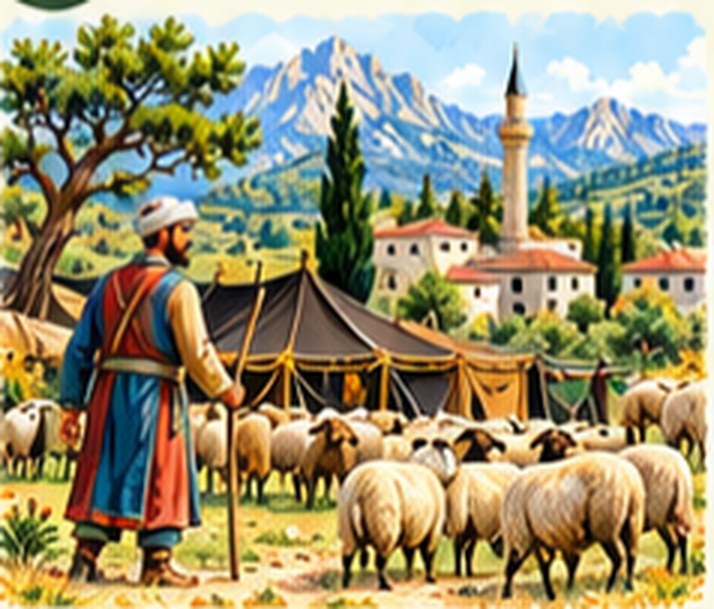
Under the Seljuks and Ottomans, life went on through seasonal highland grazing, livestock, farming and trade, while caravanserais, villages, mosques and traditional culture grew richer.
Republican period
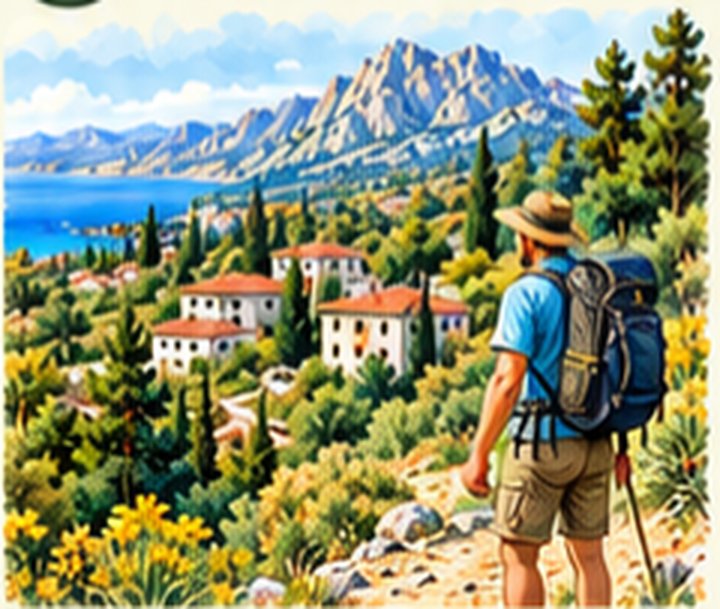
In the Republican era, village life, forestry, farming, nature walks and conservation work carried the region forward, and its natural and cultural heritage has been protected and passed on to today.
DISCOVERY CHALLENGE
CompletedPut the periods in order
Choose these three periods from earliest to latest.
- Roman
- Byzantine
- Seljuk and Ottoman
Read the explanation
In the guide's timeline, these periods follow the order Roman, Byzantine, then Seljuk and Ottoman.