Ulusal HİS Association

Field Guide

Learning Outdoors with HİS guide · Sivri Dağ nature walk booklet

GUIDE · 2026 · ANTALYA

Learning Outdoors with HİS: the guide

Our booklet for the Sivri Dağ nature walk introduces Hacısekililer and Beyyurdu, on an extension of the Bey Mountains in Antalya. From walking rules and wild fruit to wildlife and thousands of years of local history, it helps us understand what we see in the field.

Prepared as part of the Learning Outdoors with HİS project, run in cooperation with the Directorate General for Relations with Civil Society at the Turkish Ministry of Interior.

Start with your curiosity

Find your route, meet the wildlife or make room for your own observations. Four themes to explore at your own pace.

Know the area and the route

The Sivri Dağ foothills, walking rules and places to visit nearby.

In the Sivri Dağ foothills

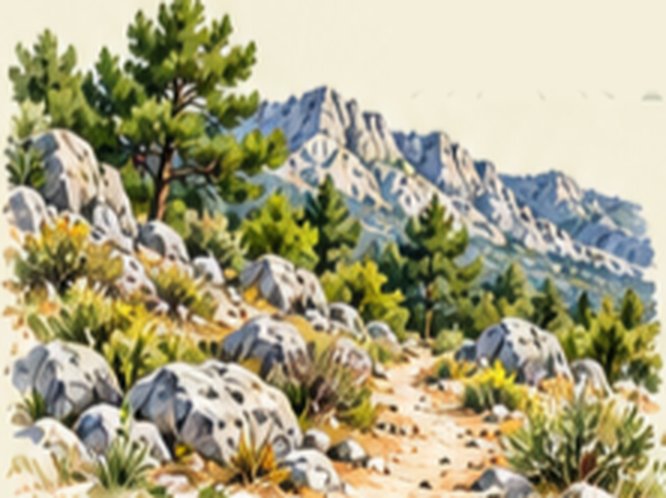
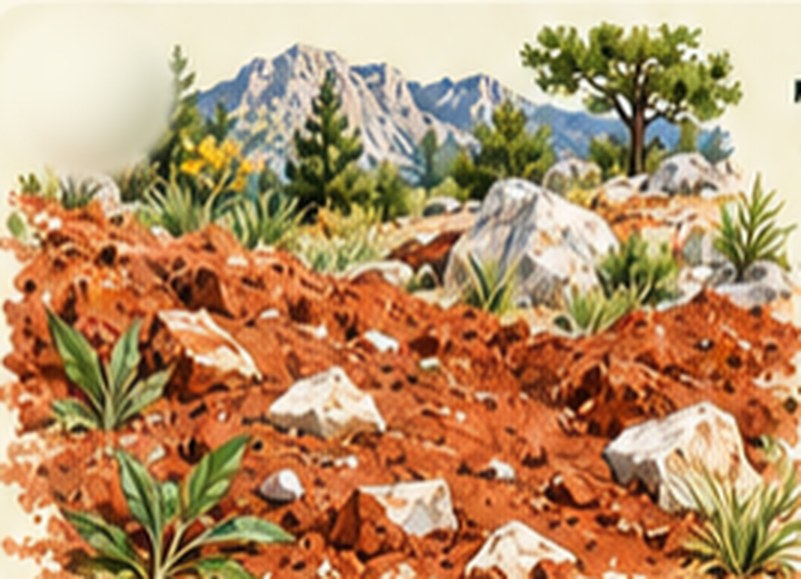
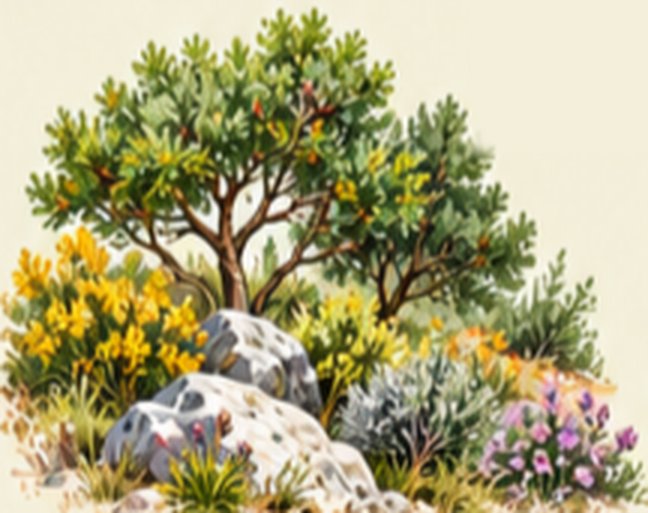
Beyyurdu lies in the foothills of Sivri Dağ. With maquis, Turkish red pine forest, rocky slopes and open ground, it is a rich place to observe nature. In November, fruiting species, aromatic plants, birds and geology can all be studied together.
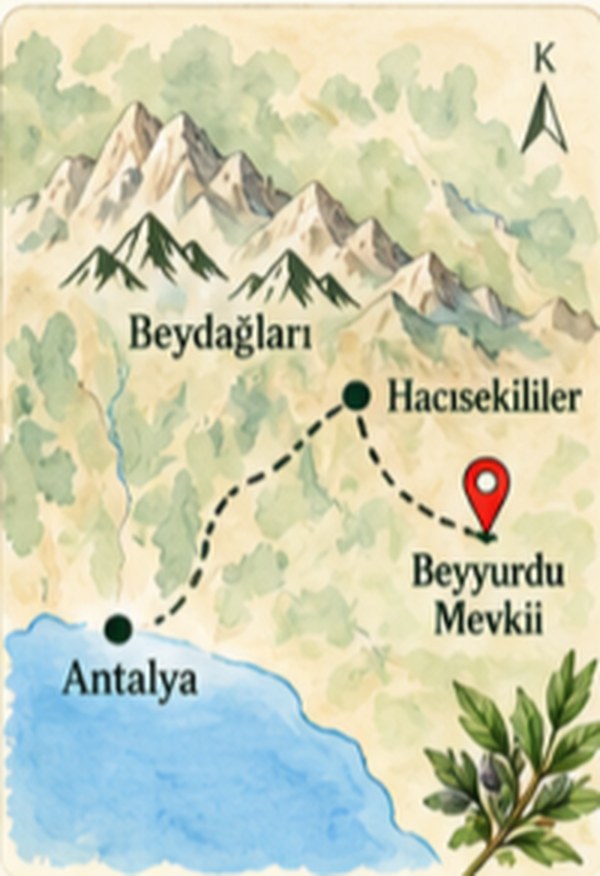
Illustrative map: Antalya, the Bey Mountains, Hacısekililer and Beyyurdu

Vegetation

  • Maquis
  • Turkish red pine stands
  • Plants of open, stony ground

Highlights in November

  • Fruiting species
  • Medicinal and aromatic plants
  • Migrant and resident birds
  • Rock observation

Altitude and terrain

  • Rocky slopes
  • Forest clearings
  • Paths and stream banks

Topics for the walk

  • The inner journey
  • Edible species
  • Respect for nature
  • Local history and culture

What can we observe today?

DISCOVERY CHALLENGE

Your November discovery kit

Open three observation windows and explore what you could record.

Fruit-bearing plants

Record the colour and shape of a fruit.

Birds

Watch from a distance and note where a bird rests and how it moves.

Rocks

Note the colour and texture of a rock you see.

Read the explanation

You explored three observation areas. Record your own observation in the journal.

Hiking and trekking rules

Eight basic rules for walking safely and protecting nature. Let's read them together before we set off.
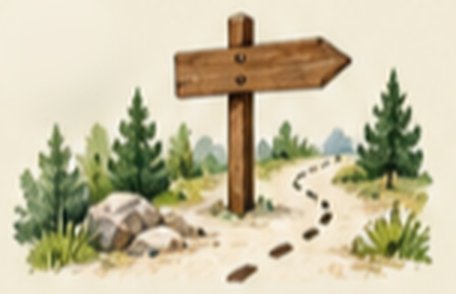
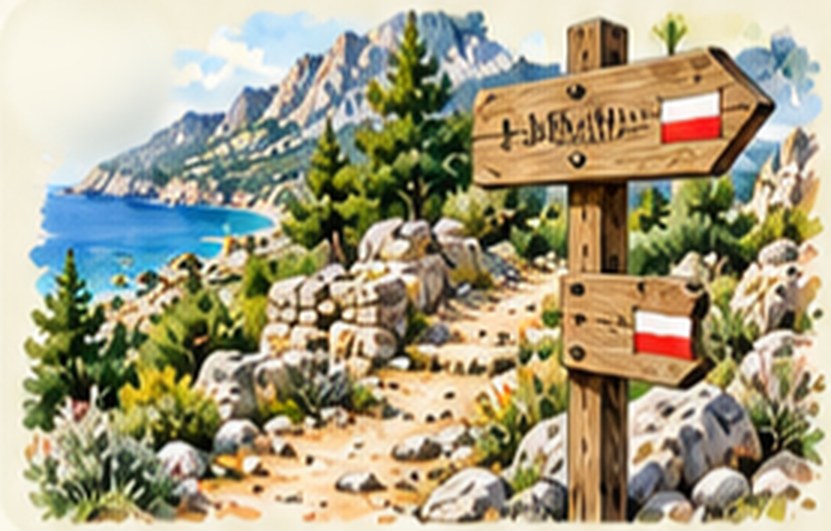
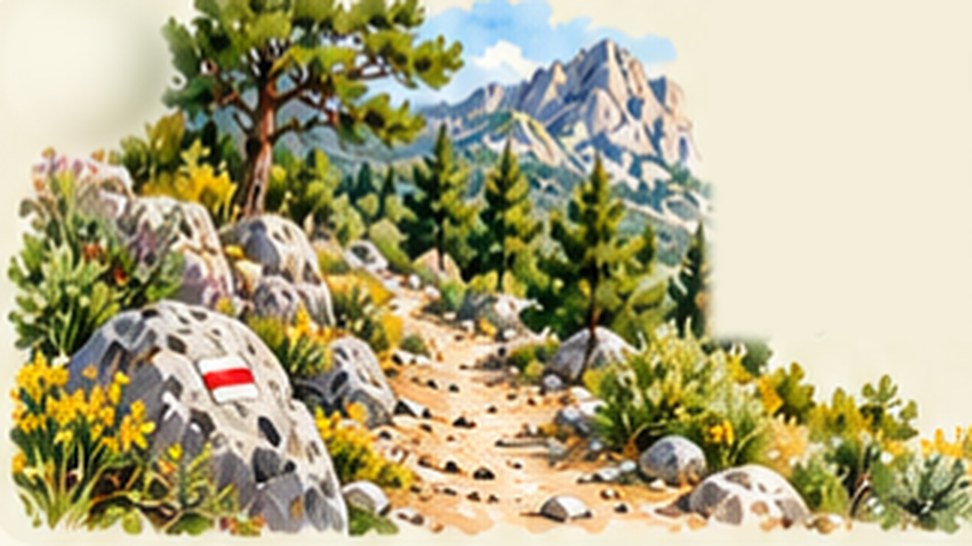
  1. Walk on the marked route for your own safety and to protect nature.
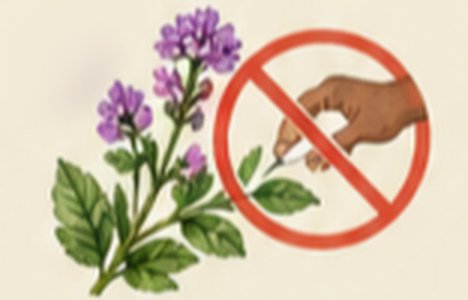
  2. Plants are part of the natural world. Picking them disrupts their life cycle.
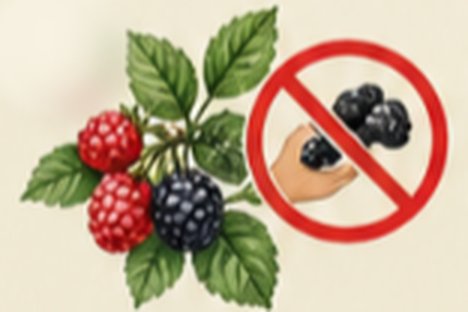
  3. Some wild fruits can be poisonous. Always ask an expert before eating any.
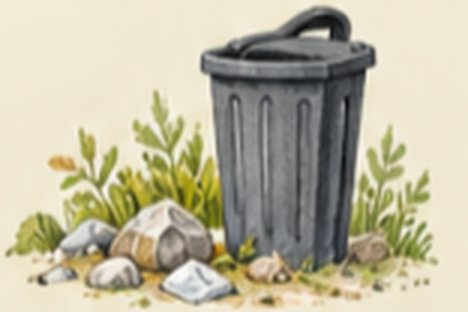
  4. Let's keep nature clean. Take all your waste back with you.
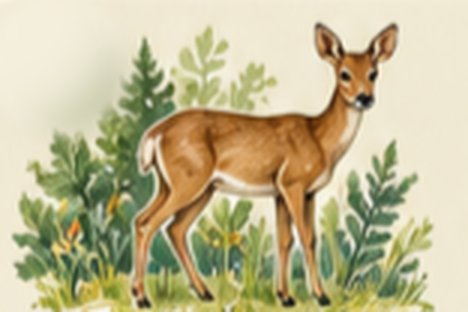
  5. Respect the places where wild animals live. Loud voices and sudden movements cause them stress.
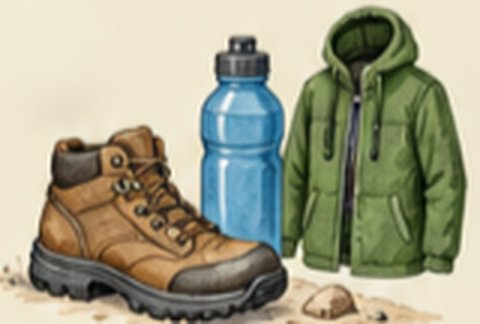
  6. The right equipment is essential for a safe and comfortable walk.

  7. Take only photos from nature and leave only footprints.
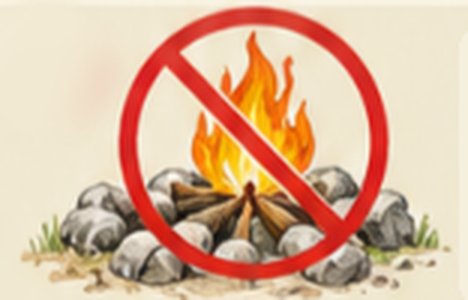
  8. Do not light fires, and stay alert to the risk of wildfire.

Open and read all eight rules before making your promise.

DISCOVERY CHALLENGE

A decision on the trail

You notice an interesting living thing during a group walk. What do you do?

Read the explanation

Stay with the group and follow the guide to observe without disturbing wildlife. Explore all eight rules and make your nature promise.

Sivri Dağ and its surroundings

Waterfalls, canyons, a pond, climbing and camping areas, cycling and off-road routes, and health and sports facilities around Sivri Dağ.

WATERFALLS • CANYONS • NATURAL POOLS

  • Çitdibi Takım WaterfallsÇitdibi / Yarbaşçandır
  • Yarbaşçandır and Çitdibi canyonsAlong the valley
  • Çitdibi natural rock poolsÇitdibi Canyon stream bed
  • Çandır Stream banksHacısekililer – Çandır Stream route

POND • CLIMBING • CAMPING

  • Doyran PondDoyran neighbourhood
  • Sivri Dağ / Sinema Perdesi cliffGedeller cliffs
  • Bahçealtı camping areaGedeller – Sivri Dağ foothills
  • Geyikbayırı climbing areaGeyikbayırı neighbourhood

CYCLING • ATV • HORSEBACK SAFARI

  • Yeşilçam cycle routeSarısu–Gökdere–Gedeller–Hacısekililer–Akdamlar–Doyran
  • ATV / off-road drivingAround Çakırlar; an approved Sivri Dağ route is unconfirmed
  • Kaşif horseback safariFacility address and active route could not be verified

HEALTH • SPORT • ACCOMMODATION

  • Rosa Therapy AntalyaHacısekililer Köyü No:232, Konyaaltı / Antalya

FIELD NOTE

Check location, permits and access on site. Use an expert guide for risky activities.

DISCOVERY CHALLENGE

Find its place on the map

Which guide category includes Doyran Pond?

Read the explanation

Doyran Pond is listed under ponds, climbing and camping in the guide.
Get to know nature

Fruit, medicinal plants, trees, wildlife and rocks.

Fruit

Around Beyyurdu, some fruit species grow wild, while others are found in settlements, gardens and cultivated landscapes.

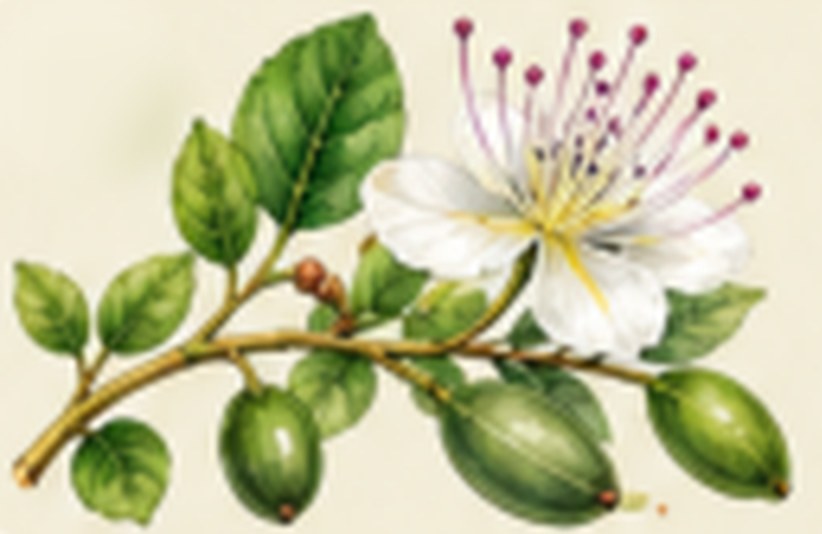
  1. Caper fruit

    Capparis spinosa

    Its ripe fruits are long and capsule-shaped.

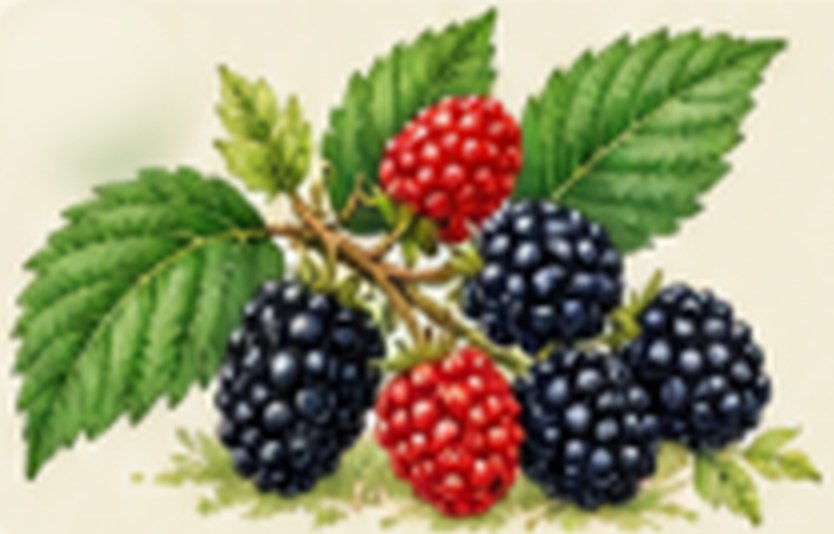
  2. Blackberry

    Rubus spp.

    Bears dark fruit on thorny shrubs.

  3. Prickly pear

    Opuntia ficus-indica

    Carries orange-red fruit on its spiny pads.

  4. Pomegranate

    Punica granatum

    Ripens in autumn in gardens and the countryside.
  5. Orange

    Citrus sinensis

    Can be seen as a cultivated plant around settlements.

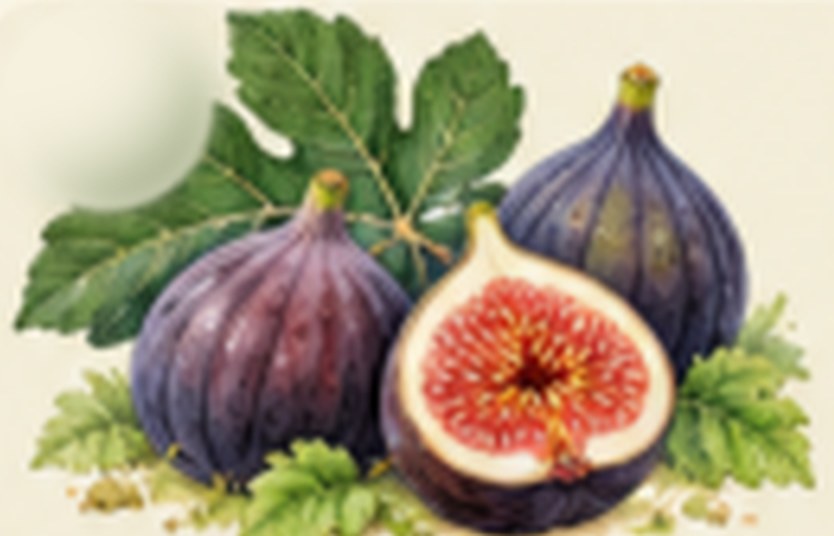
  6. Fig

    Ficus carica

    A sweet-fruited species suited to dry slopes.

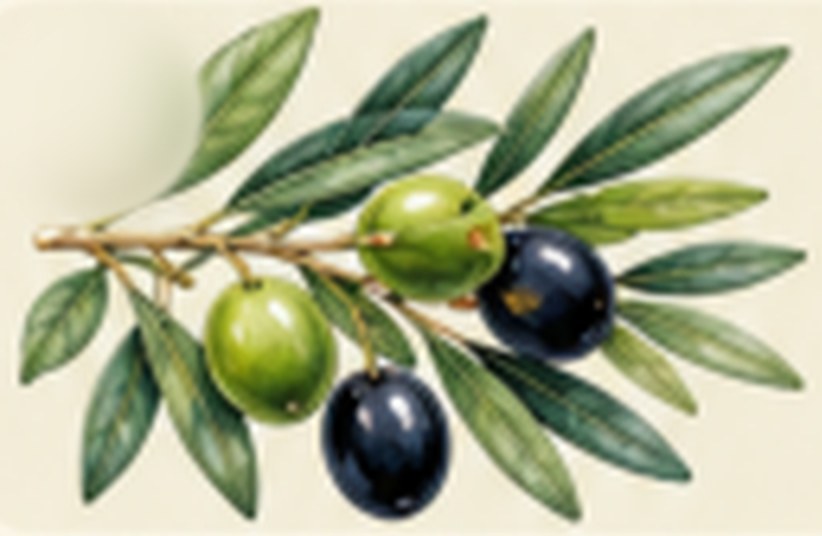
  7. Olive

    Olea europaea

    One of the signature trees of the Mediterranean landscape.
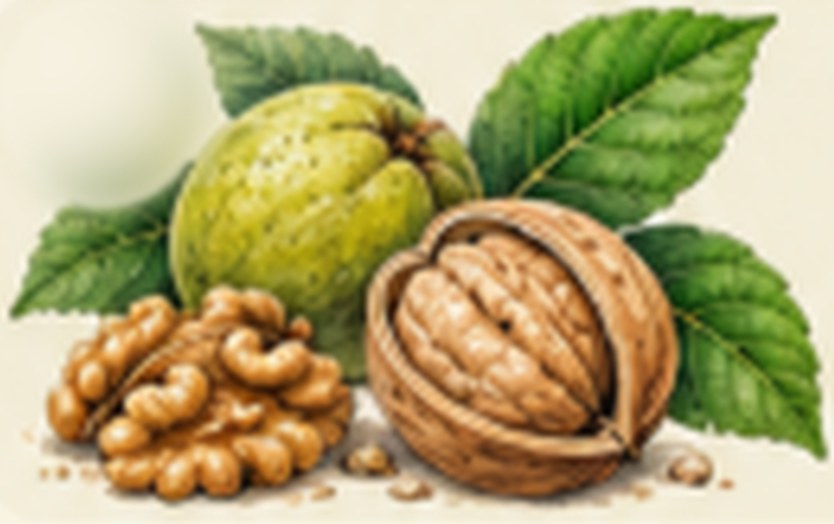
  8. Walnut
    Juglans regia

    Seen as a garden tree in cool, damp spots.

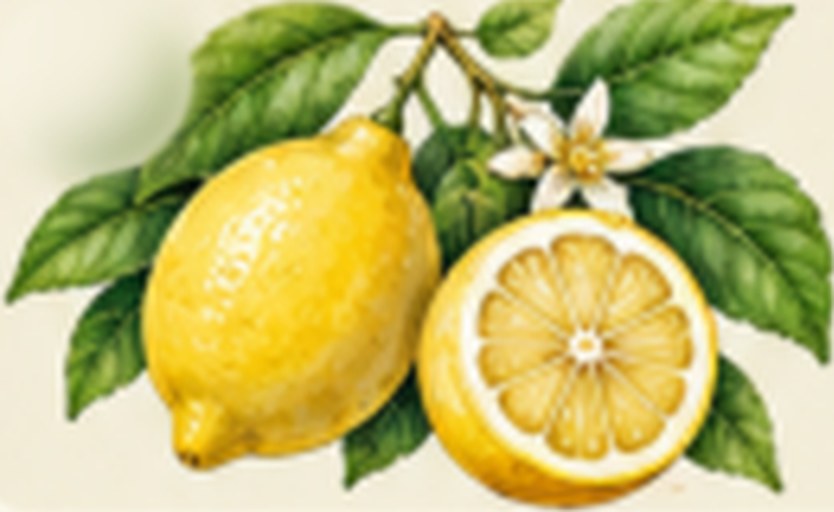
  9. Lemon

    Citrus limon

    Found in gardens and around homes.

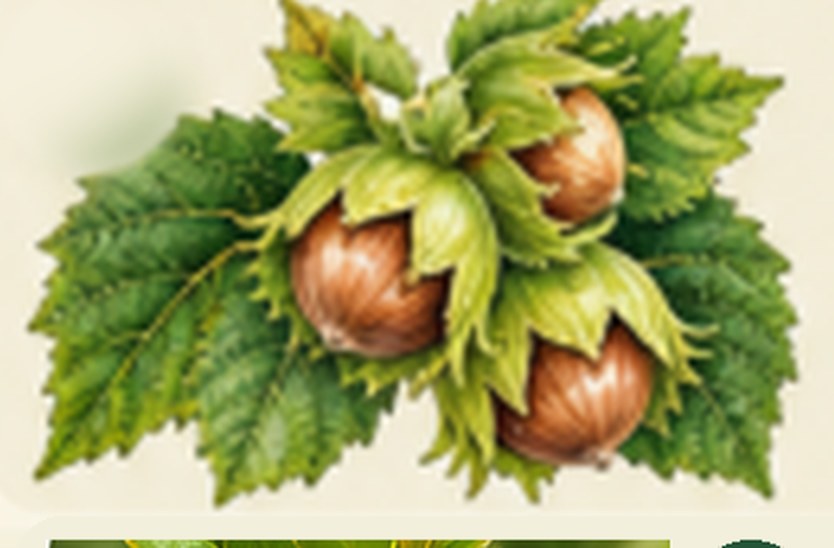
  10. Turkish hazel

    Corylus colurna

    A tree known for its hard-shelled nuts.

  11. Bilberry

    Vaccinium spp.

    Whether it grows in the area should be confirmed in the field.

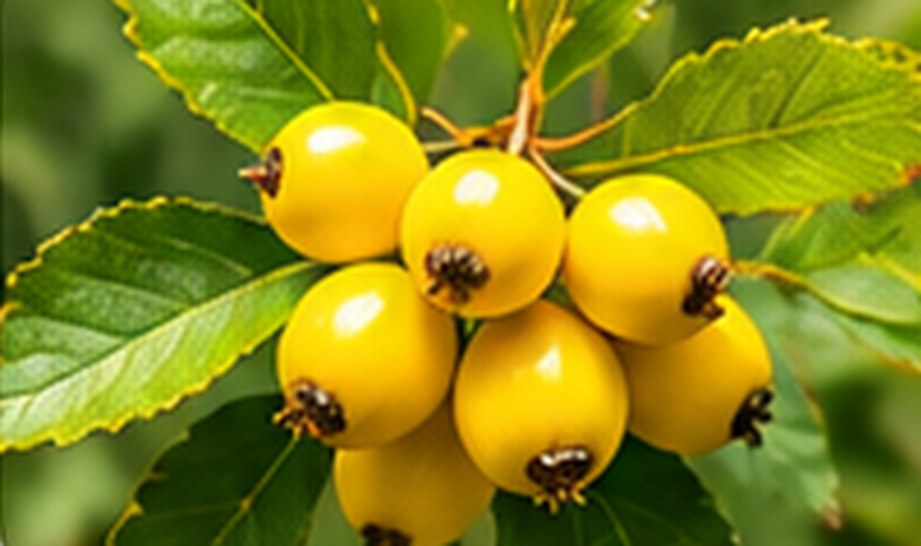
  12. Azarole

    Crataegus azarolus

    A thorny hawthorn with yellow fruit.

Remember

Do not eat wild fruit unless an expert has confirmed it. Some wild fruits can be poisonous.

DISCOVERY CHALLENGE

Find the fruit from a clue

Bears dark fruit on thorny shrubs. Which guide entry matches this clue?

Read the explanation

Blackberry: Bears dark fruit on thorny shrubs.

Medicinal plants

Plants in the Sivri Dağ foothills that stand out in November for their scent, leaves or flowers. We get to know them by smelling and observing; we do not pick or eat them.

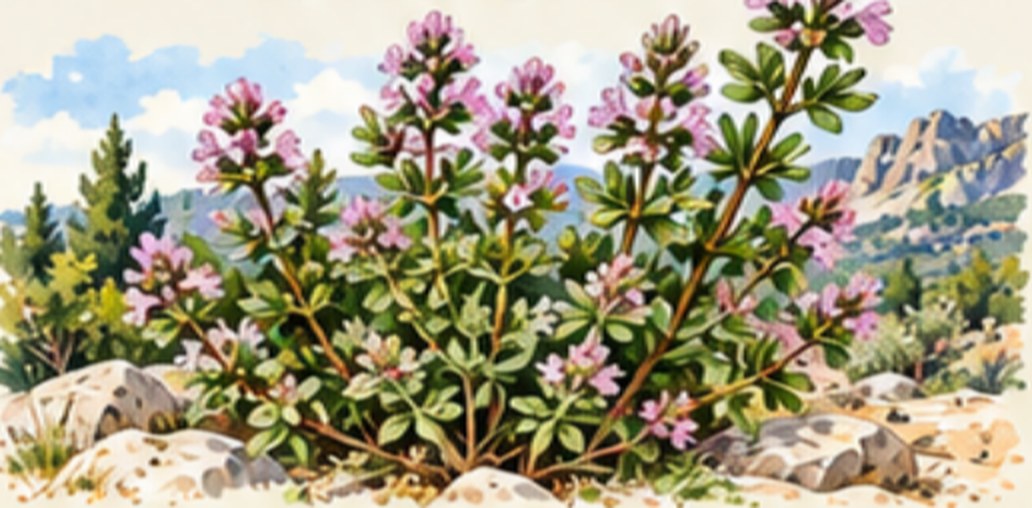
  1. Thyme

    Thymbra spicata

    Known for its fragrant leaves.

  2. Greek sage

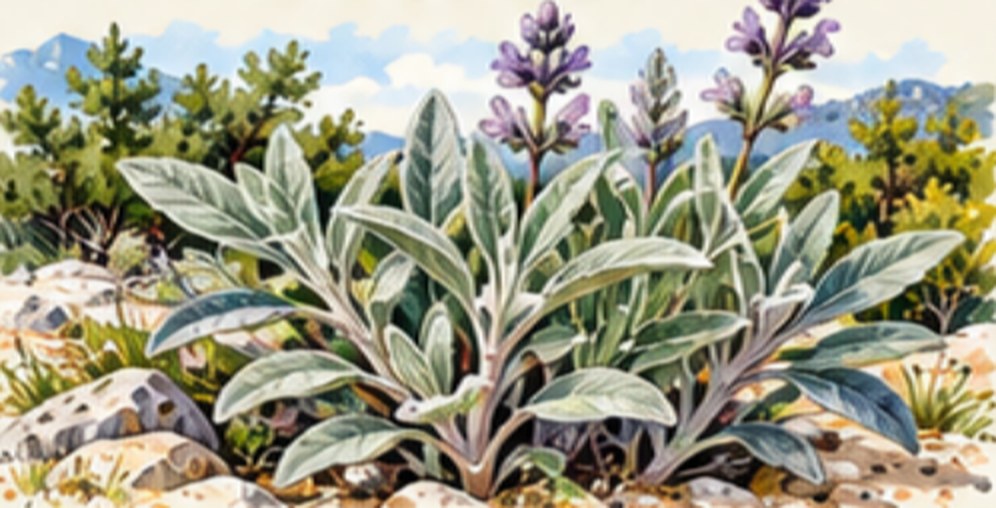
    Salvia fruticosa

    A common Mediterranean species with grey-green leaves.

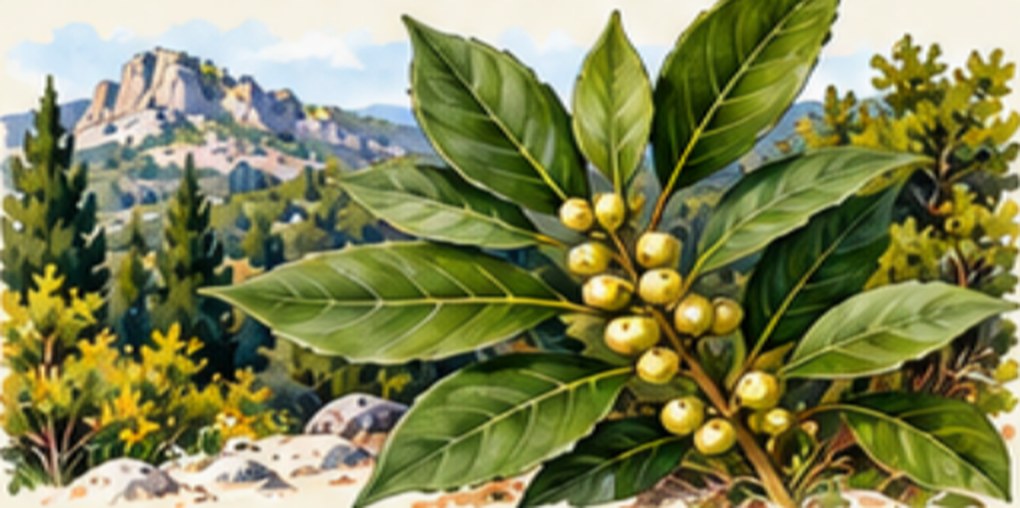
  3. Bay laurel

    Laurus nobilis

    Known for its glossy leaves and pleasant scent.

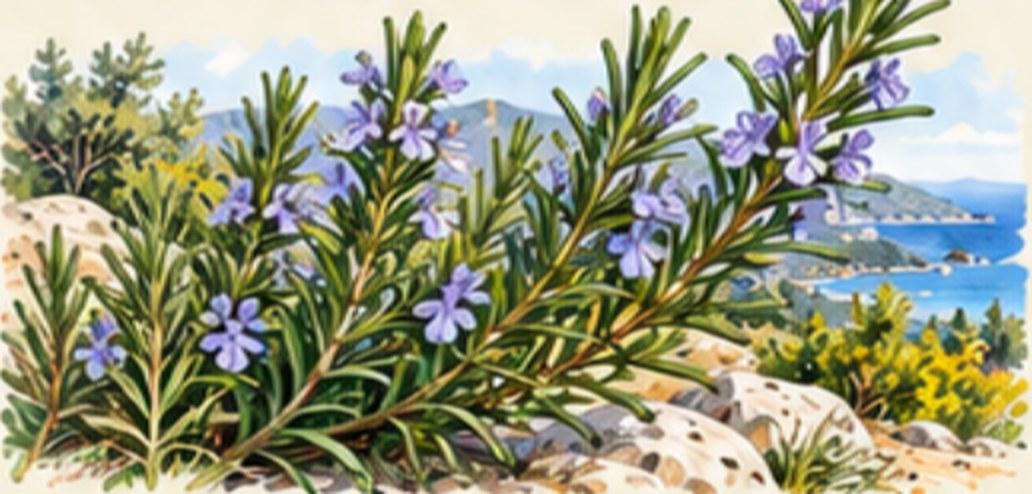
  4. Rosemary

    Salvia rosmarinus

    Narrow-leaved, with a sharp aroma.

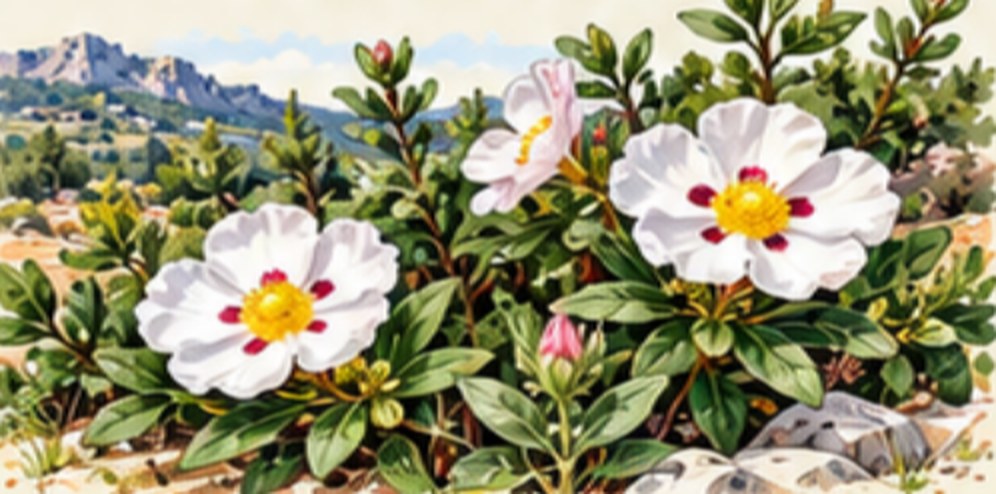
  5. Cretan rockrose

    Cistus creticus

    A flowering maquis shrub with resinous leaves.

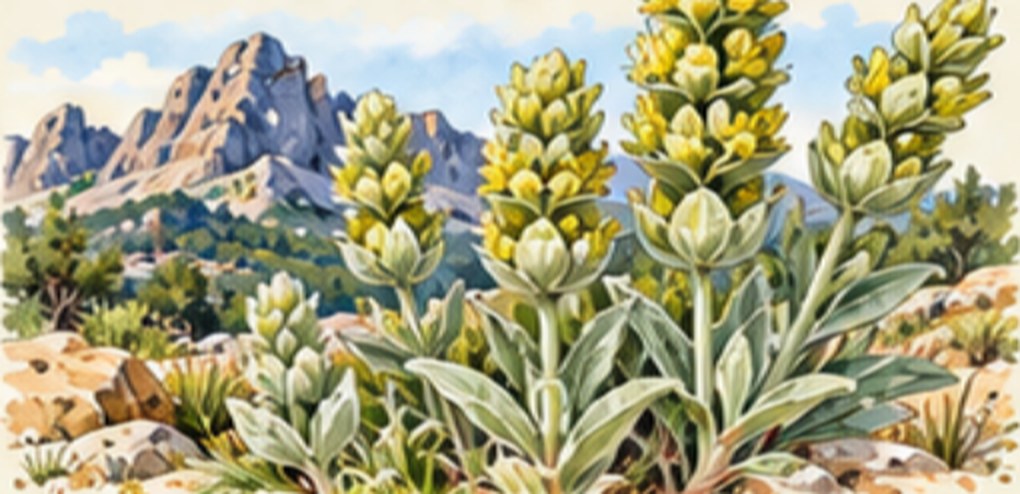
  6. Mountain tea

    Sideritis spp.

    Can be seen in open, rocky areas.

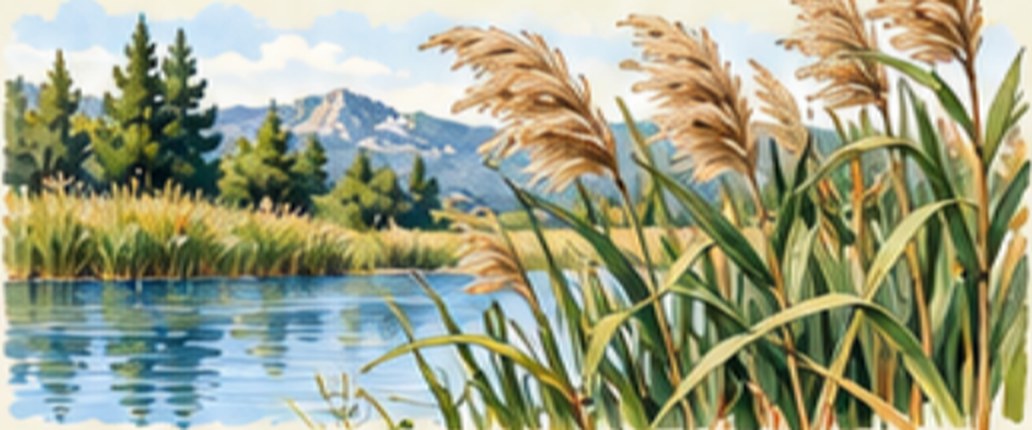
  7. Common reed

    Phragmites australis

    Grows beside water and in damp places.

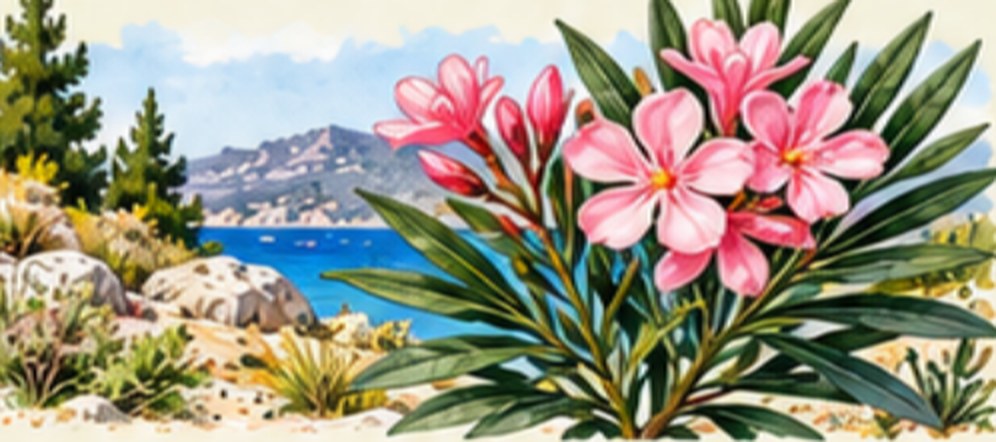
  8. Oleander

    Nerium oleander

    Has beautiful flowers but is poisonous.

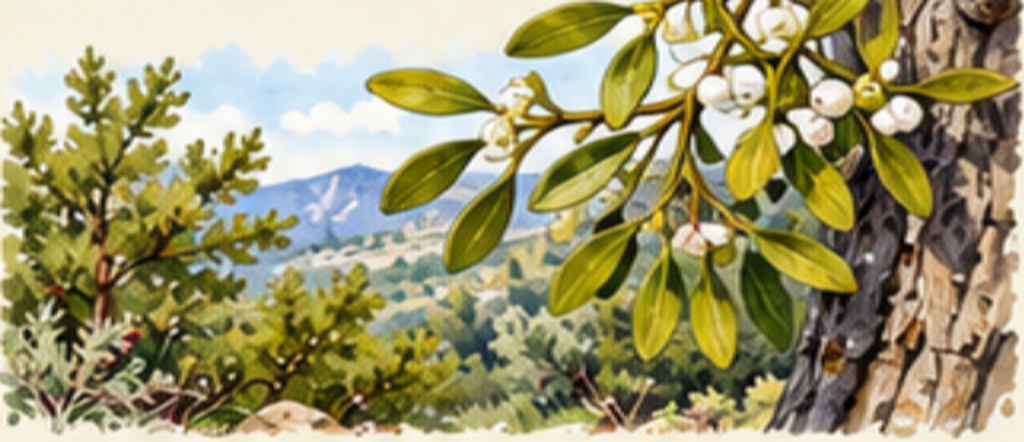
  9. Mistletoe

    Viscum album

    Lives as a semi-parasite on tree branches.

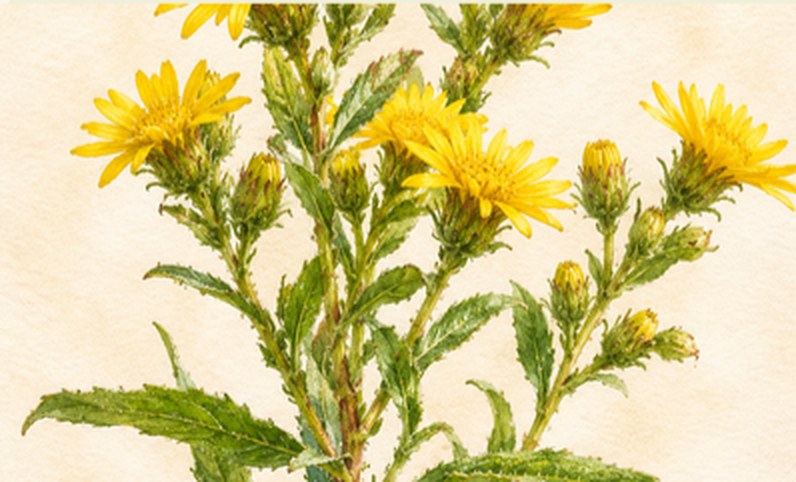
  10. Sticky fleabane

    Dittrichia viscosa

    An aromatic Mediterranean plant with yellow flowers and sticky leaves.

Caution

  1. Oleander is poisonous.
  2. Do not pick plants.
  3. Smell and describe plants, but do not suggest eating them.

DISCOVERY CHALLENGE

Leaf detective

A common Mediterranean species with grey-green leaves. Which guide entry matches this clue?

Read the explanation

Greek sage: A common Mediterranean species with grey-green leaves.

Trees

From Turkish red pine forest to maquis shrubs, the trees and woody species we may meet in the Sivri Dağ foothills, with tips for telling them apart.

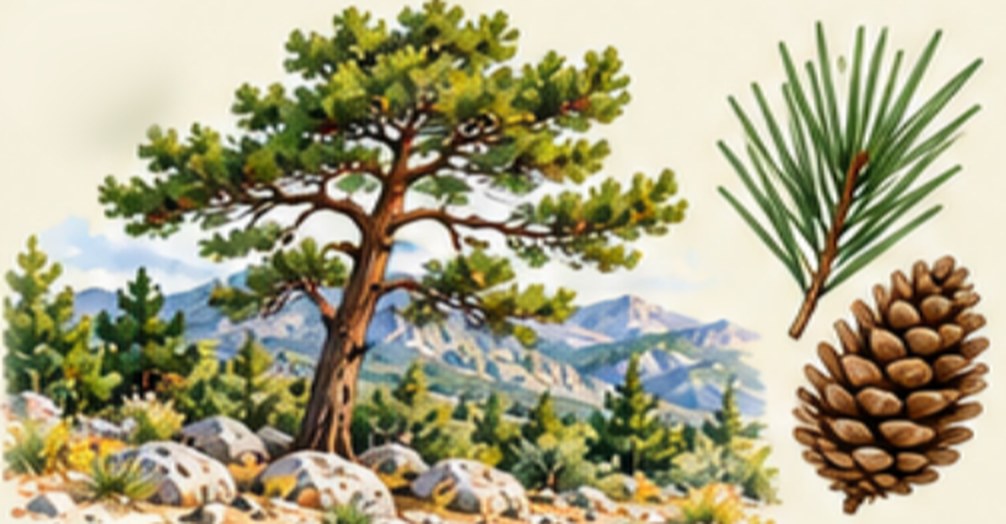
  1. Turkish red pine

    Pinus brutia

    The dominant forest tree of the area.

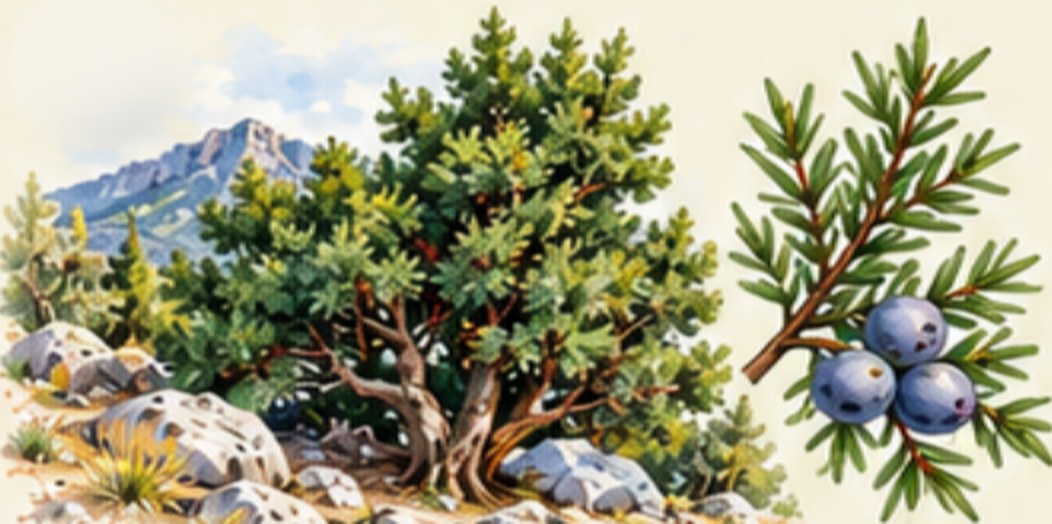
  2. Juniper

    Juniperus spp.

    Found on rocky and higher ground.

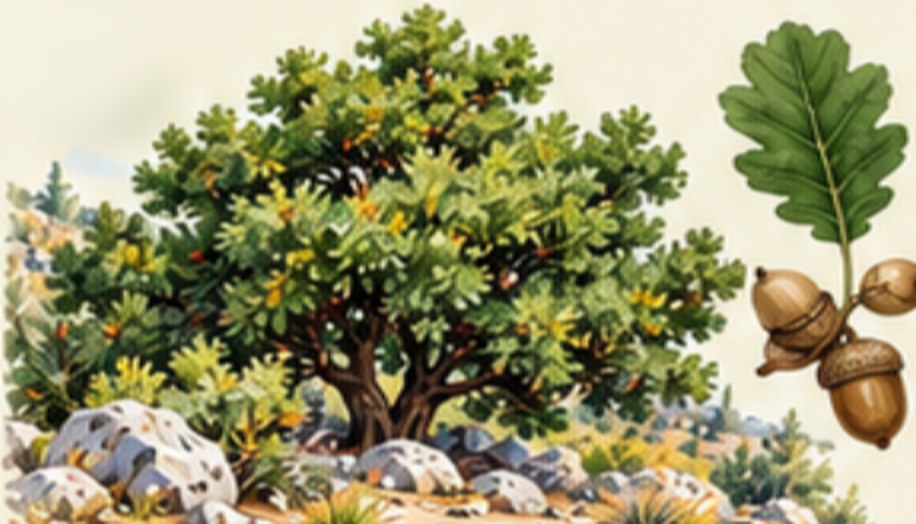
  3. Kermes oak

    Quercus coccifera

    Forms dense maquis with tough leaves.

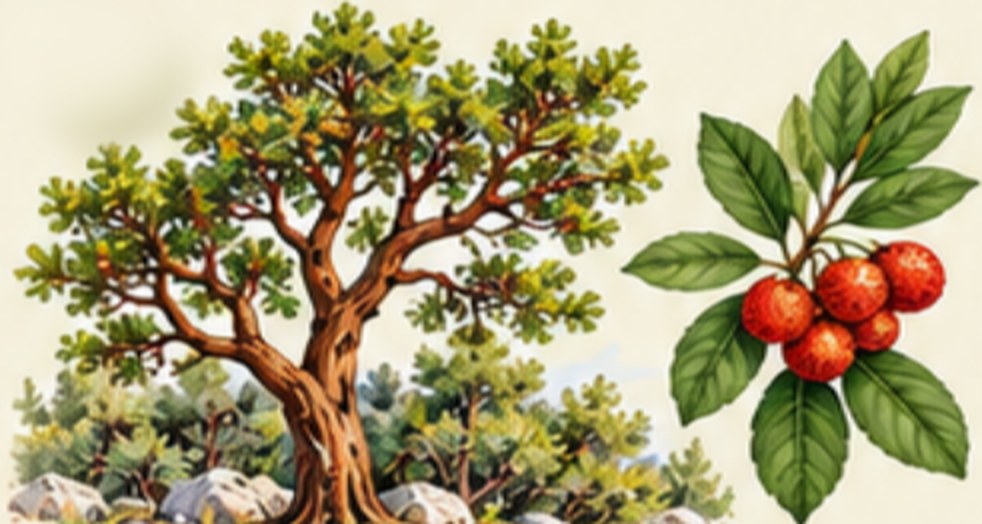
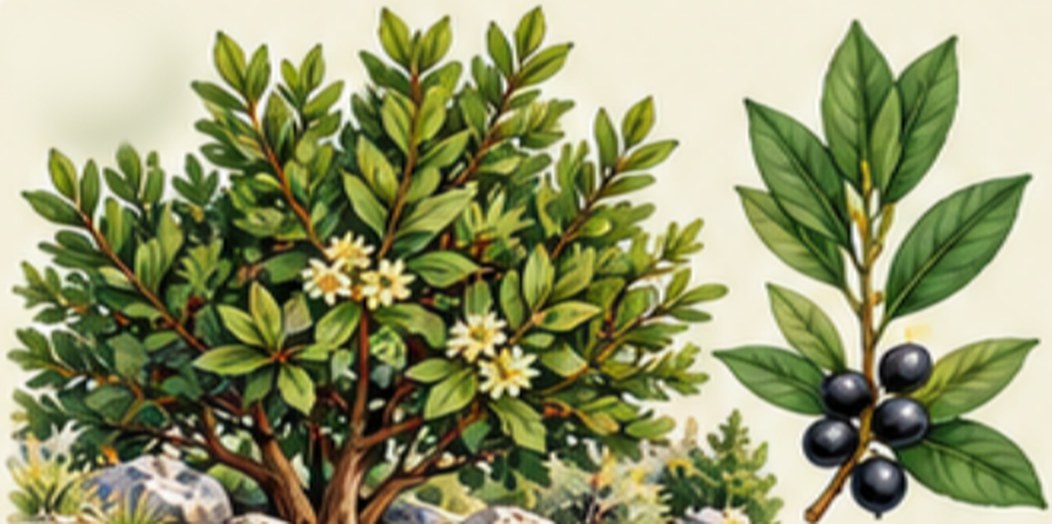
  4. Greek strawberry tree

    Arbutus andrachne

    Easy to recognise by its red trunk.

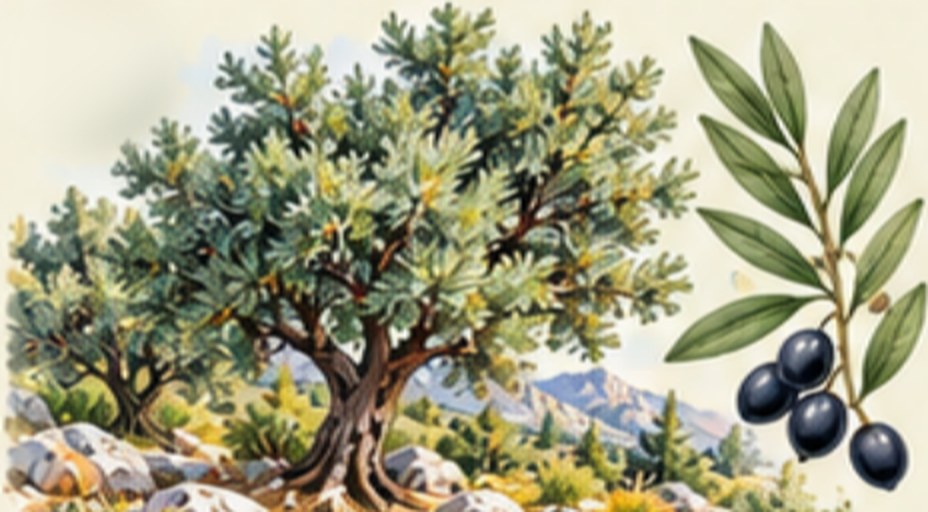
  5. Wild olive

    Olea europaea var. sylvestris

    The wild form of the olive.

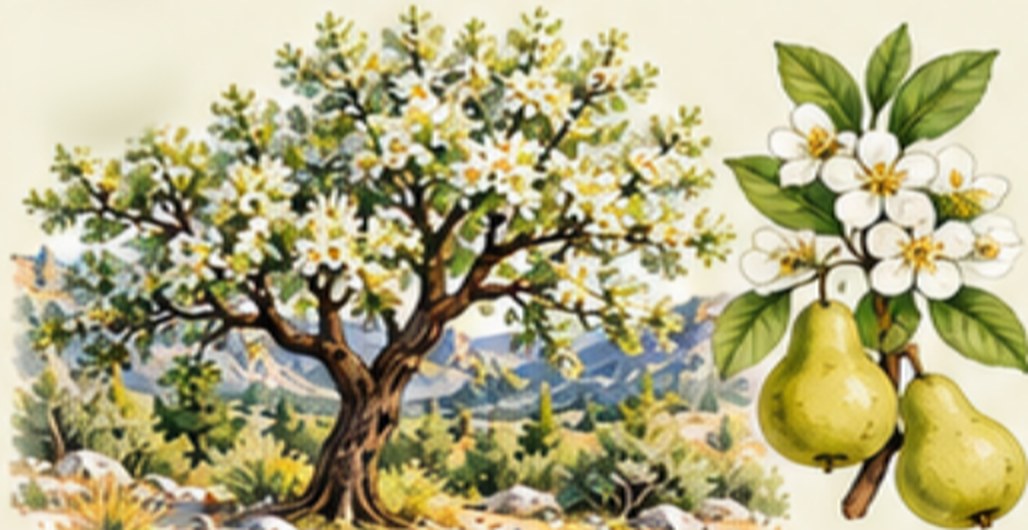
  6. Oleaster-leaved pear

    Pyrus elaeagnifolia

    Known as a wild pear species.

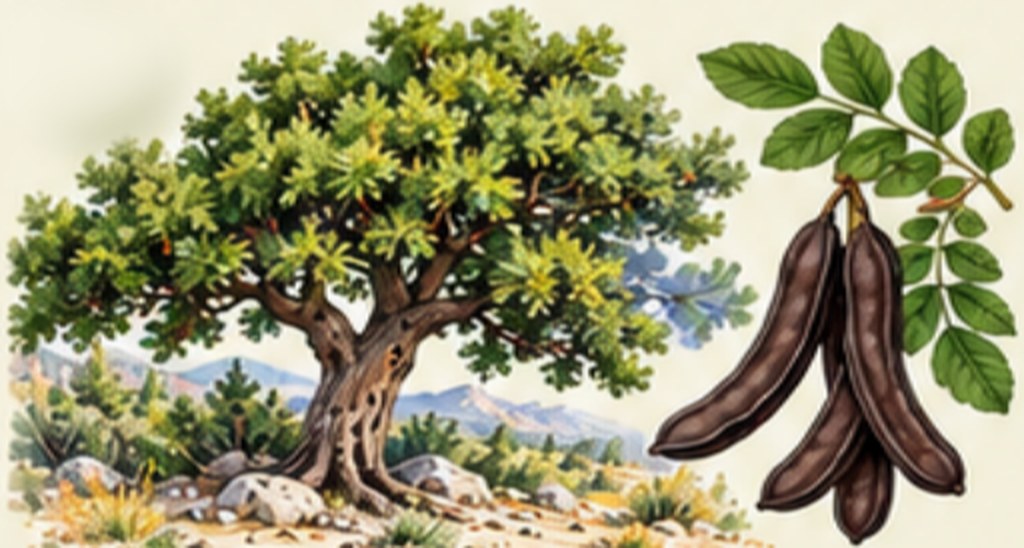
  7. Carob

    Ceratonia siliqua

    Bears pods in the warmer parts of the area.

  8. Bay tree

    Laurus nobilis

    Stands out with its evergreen leaves.

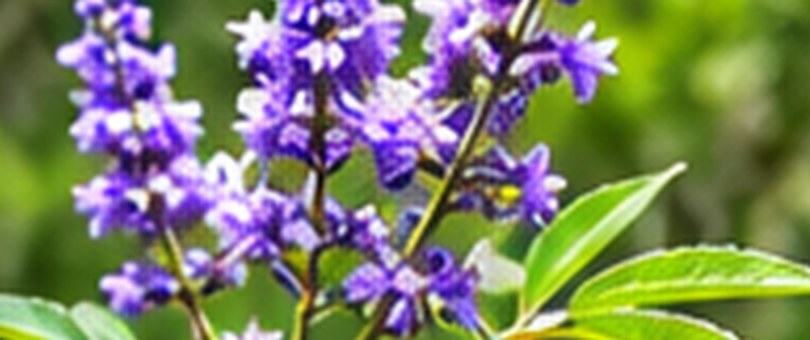
  9. Chaste tree

    Vitex agnus-castus

    An aromatic Mediterranean shrub with purple flowers.

How do we identify them?

In the field, we can identify trees and woody species by a few distinctive features.

Leaf

Look at the leaf's shape, size and edge.

Bark

The colour, structure and texture of the bark can be distinctive.

Fruit / cone

Note the shape of the fruit, seed or cone.

Habitat

Rocky ground, forest clearings and altitude help identify the species.

DISCOVERY CHALLENGE

Recognise the trunk

Easy to recognise by its red trunk. Which guide entry matches this clue?

Read the explanation

Greek strawberry tree: Easy to recognise by its red trunk.

Wildlife of Sivri Dağ and its surroundings

From steep cliffs to pine forest, the wild animals that live in the area. We watch them quietly, from a safe distance.

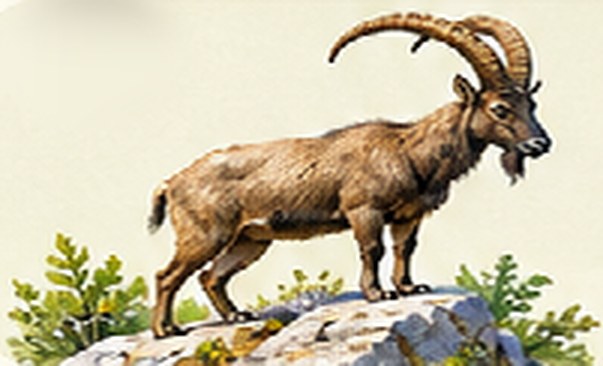
  1. Wild goat

    Capra aegagrus

    Lives on steep cliffs. Agile and a good climber.

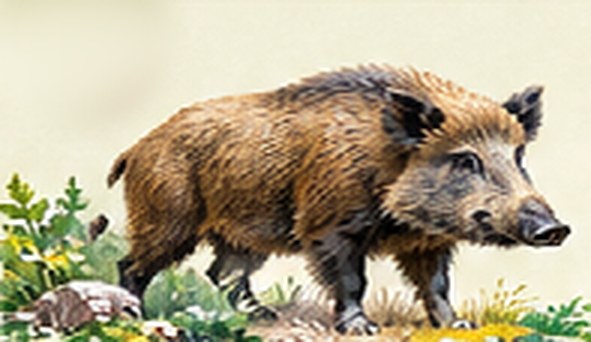
  2. Wild boar

    Sus scrofa

    Seen in forest, maquis and farmland.

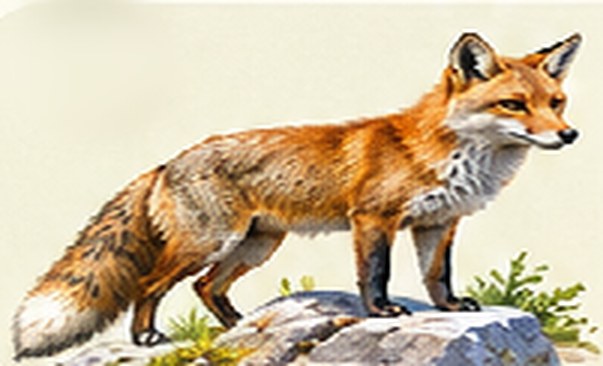
  3. Red fox

    Vulpes vulpes

    Lives in forest and open country. Also active at night.

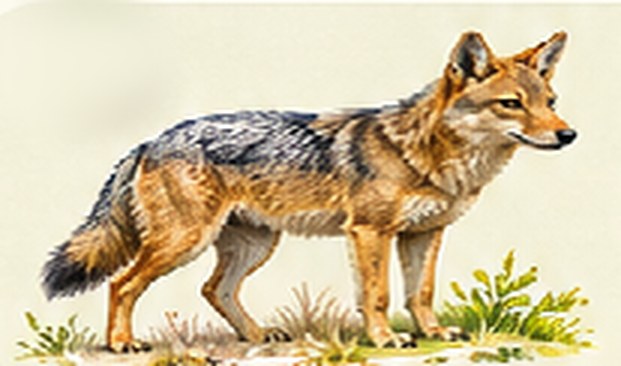
  4. Golden jackal

    Canis aureus

    May roam in packs. Seen on mountain slopes and at the edge of the plains.

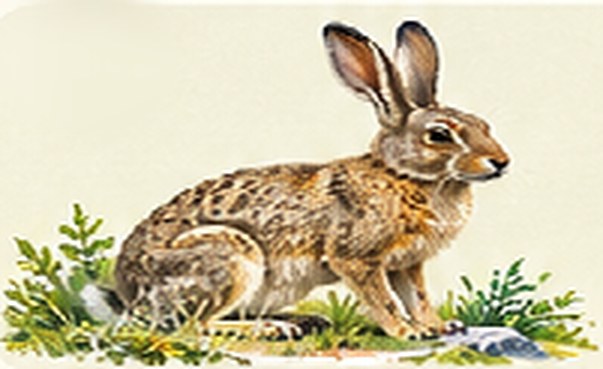
  5. European hare

    Lepus europaeus

    Lives in scrub and along forest edges.

  6. Persian squirrel

    Sciurus anomalus

    Common in pine forest. Lives in trees.

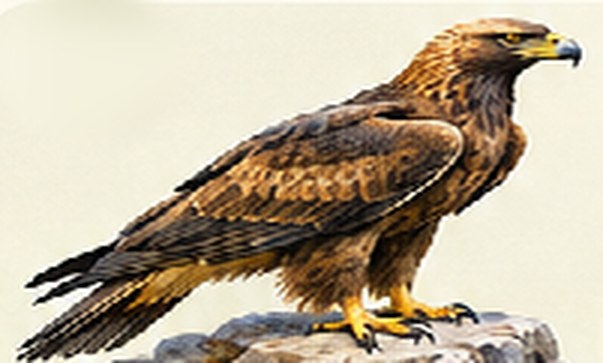
  7. Golden eagle

    Aquila chrysaetos

    Nests on high cliffs. Hunts over large areas.

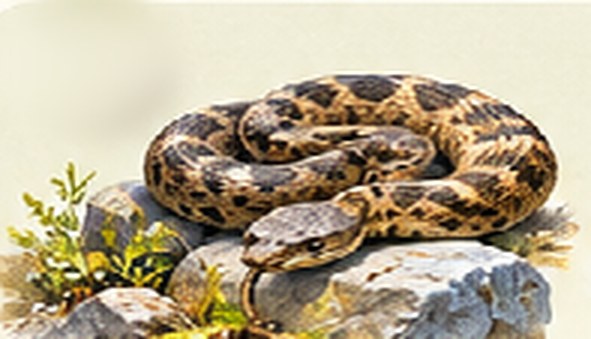
  8. Snakes

    Vipera, Natrix etc.

    Vipers and water snakes live in the area. Stay alert and keep your distance.

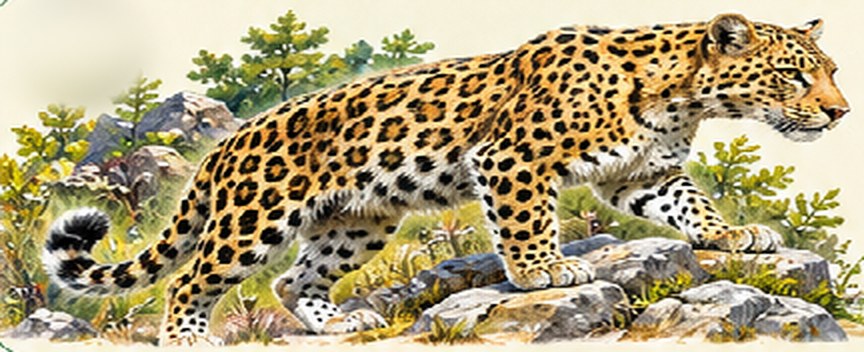
  9. Anatolian leopard

    Panthera pardus tulliana

    Very rarely seen. Records confirm it lives in the Bey Mountains. The chance of an encounter is very low. If you see one, watch from a distance and do not approach.

What other wildlife might live here?

  • Mammals
  • Birds
  • Reptiles
  • Amphibians
  • Insects

DISCOVERY CHALLENGE

Whose habitat is this?

Lives on steep cliffs. Agile and a good climber. Which guide entry matches this clue?

Read the explanation

Wild goat: Lives on steep cliffs. Agile and a good climber.

Rocks and minerals

The rocks, veins and soil of the Bey Mountains. When we observe, we look at colour, texture, layering and cracks.

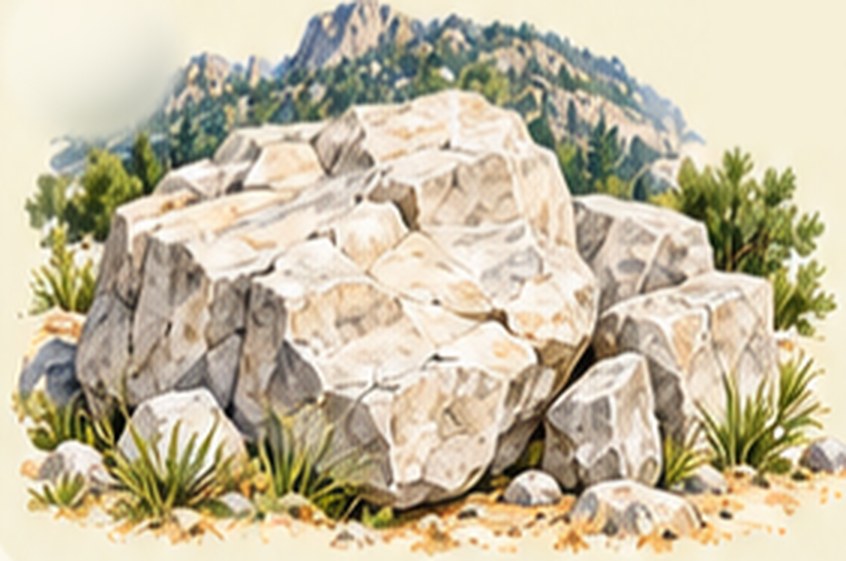
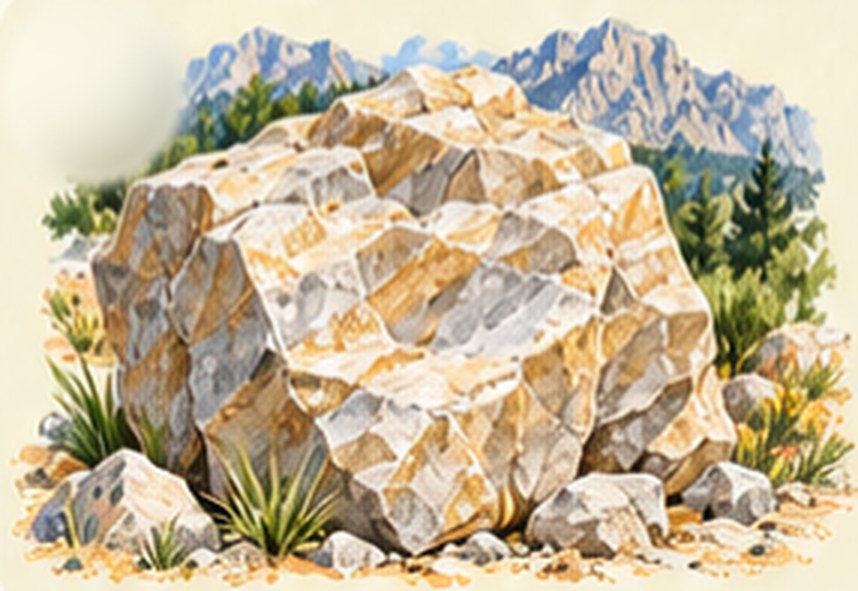
  1. Limestone

    A light-coloured carbonate rock that is common in the area.

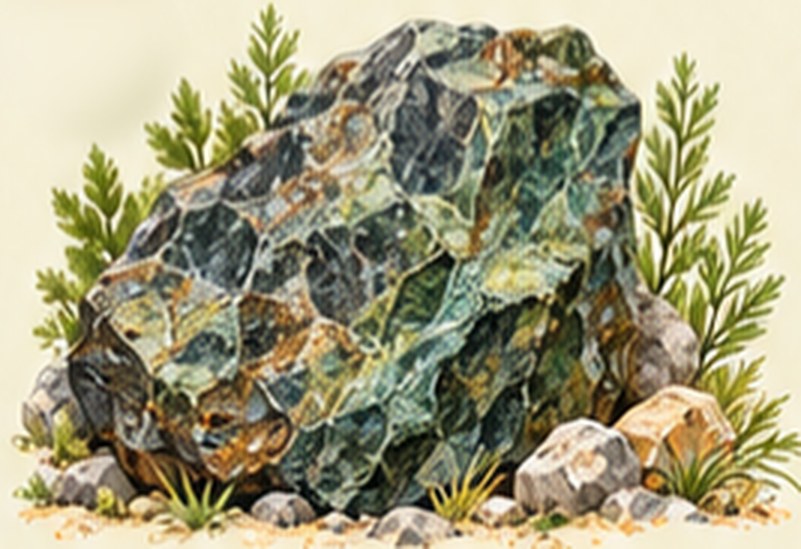
  2. Serpentinite

    A greenish rock and one of the important rocks of the Bey Mountains.

  3. Dolomite

    A rock similar to limestone that contains magnesium.

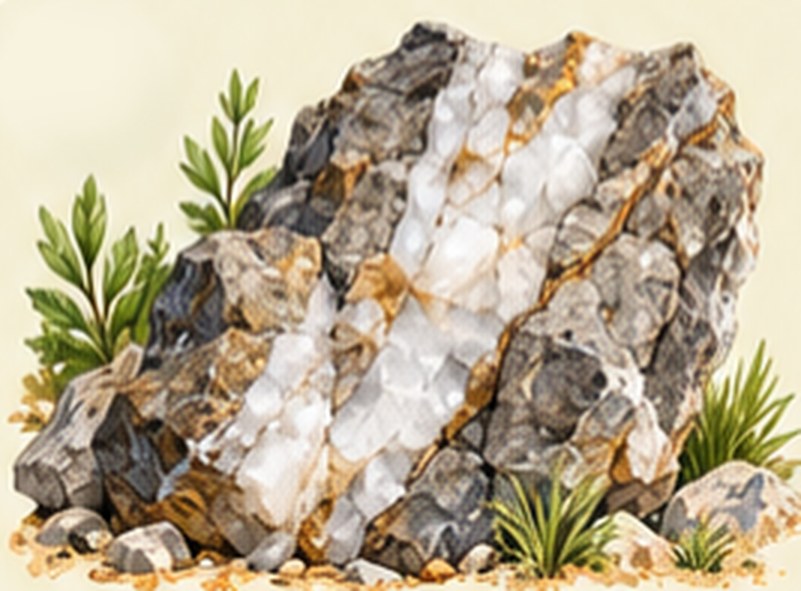
  4. Quartz vein

    Can appear as shiny white veins.

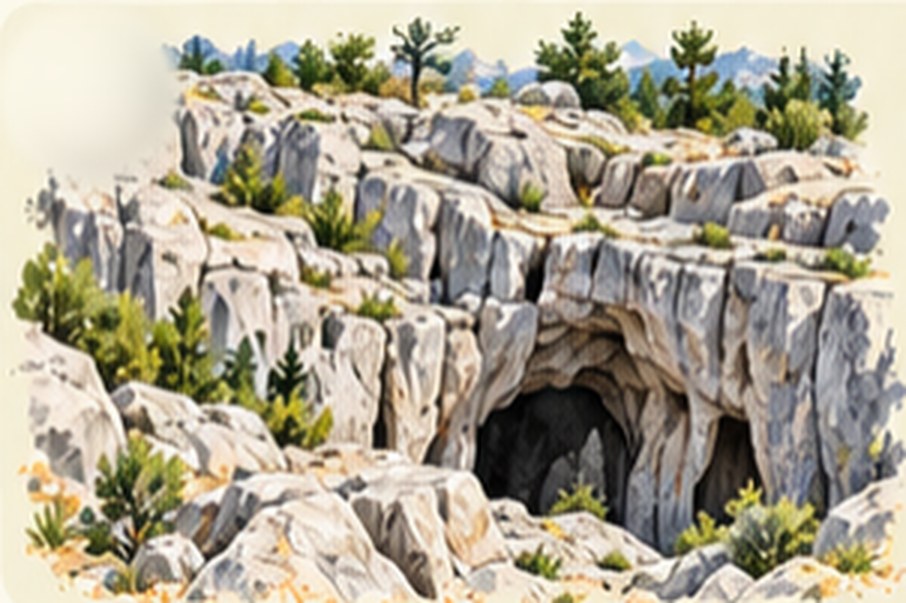
  5. Karst features

    Forms cracks, hollows and dissolution shapes.

  6. Terra rossa soil

    A reddish Mediterranean soil that forms on limestone.

What to look for

Colour • Texture • Layering • Cracks

Remember

Take photos and notes rather than collecting samples from nature.

What should we look for?

DISCOVERY CHALLENGE

Solve the rock clue

Can appear as shiny white veins. Which guide entry matches this clue?

Read the explanation

Quartz vein: Can appear as shiny white veins.

History and culture

Cultural traces in the landscape and the region's civilisations.

Historic sites

From the Lycian Way to Yörük culture, from stone walls to ancient cities: the traces people and nature have left together around the Bey Mountains.

  1. The Lycian Way

    One of the area's major walking routes, bringing history and nature together.

  2. Yörük culture

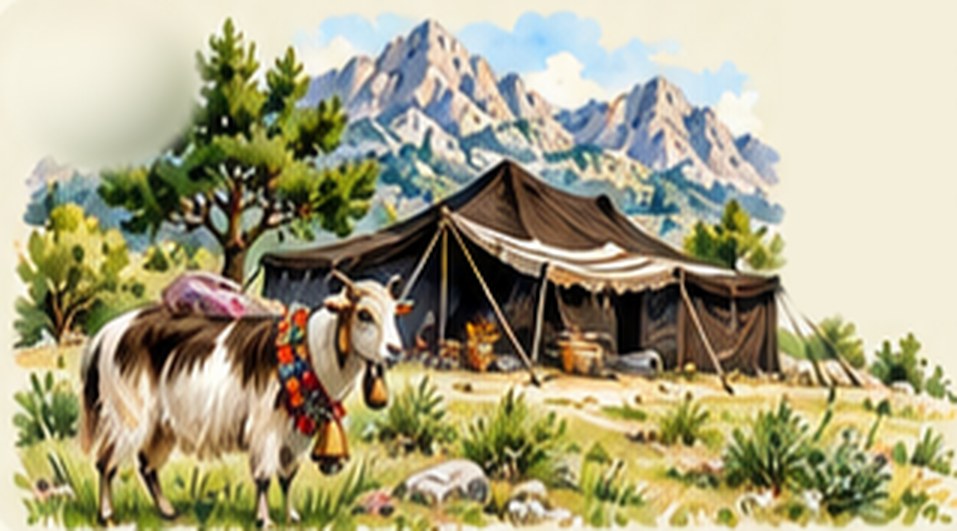
    Traces of life in the mountains and highland pastures can be felt across the area.

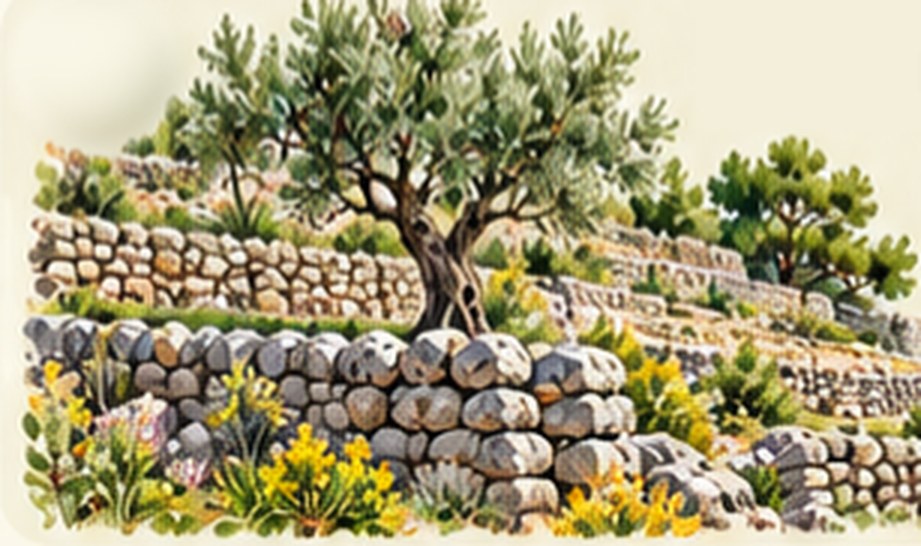
  3. Stone walls and terraces

    Traces of rural farming and land use.

  4. Paths and passes

    Old walking and migration routes took shape in harmony with nature.

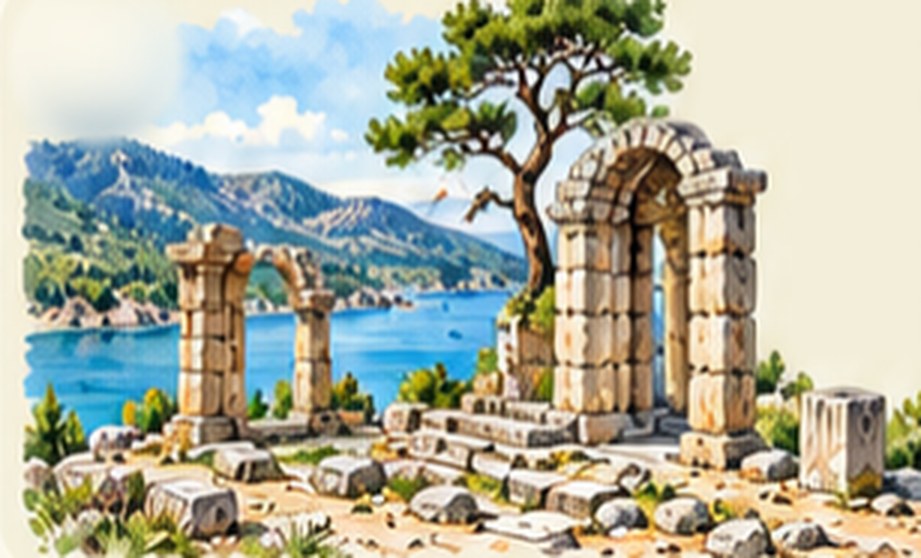
  5. Ancient sites nearby

    The wider Bey Mountains area is linked to Olympos, Phaselis and similar historic sites.

  6. Nature and culture together

    Plants, animals and human traces are read together.

Storytelling tips

A suggested order for guides and teachers in the field.

1.

Start with the view, then plants, then rocks, and finish with cultural traces.

2.

Ask children questions and listen to what they are curious about.

3.

Observe without touching and leave no trace.

4.

Emphasise respect for nature; let's protect it for future generations.

DISCOVERY CHALLENGE

Match a trace of the past

Traces of rural farming and land use. Which guide entry matches this clue?

Read the explanation

Stone walls and terraces: Traces of rural farming and land use.

Civilisations of the region through history

Eight periods around the Bey Mountains, from the first people to the present. Each left a way of life shaped by the region's nature.

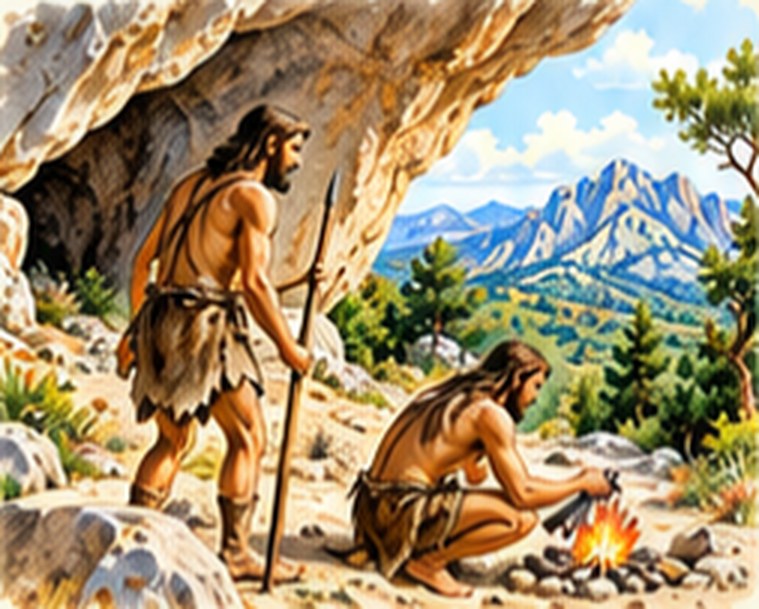
  1. Hunter-gatherer period

    Hunter-gatherer period

    The first people here lived in caves and rock shelters, moving with the seasons and living by hunting and gathering.

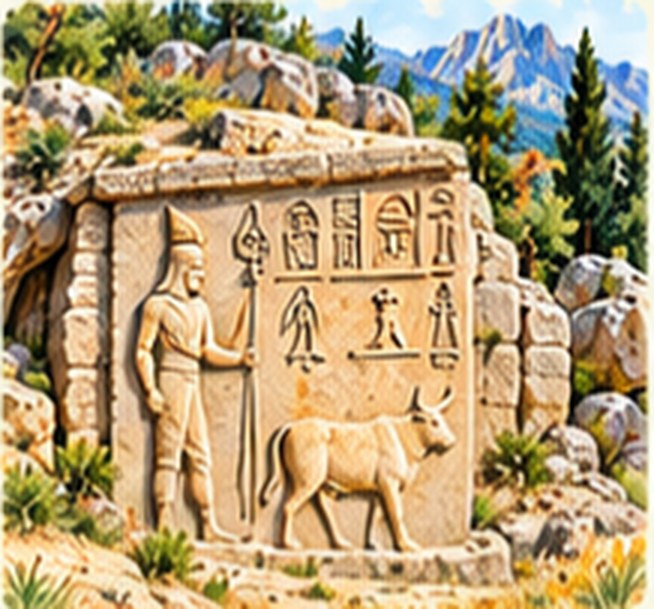
  2. Luwian period

    Luwian period

    The Luwians who lived here led a life in harmony with nature, farmed the land and left important traces such as rock monuments and reliefs.

  3. Pisidian period

    Pisidian period

    The Pisidians lived in the mountains, built walled cities, farmed and kept livestock, and played an important part in defending the region.

  4. Lycian period

    Lycian period

    Between the sea and the mountains, the Lycians developed a distinctive culture and left a rich legacy of rock tombs, terrace farming, harbour cities and trade routes.

  5. Roman period

    Roman period

    Under the Romans, roads, bridges, waterworks, baths and settlements were built, and the region became an important centre of farming, trade and culture.

  6. Byzantine period

    Byzantine period

    Rural life carried on in the Byzantine period, and cultural life continued through small settlements, churches, monasteries, waterworks and defences.

  7. Seljuk and Ottoman periods

    Seljuk and Ottoman periods

    Under the Seljuks and Ottomans, life went on through seasonal highland grazing, livestock, farming and trade, while caravanserais, villages, mosques and traditional culture grew richer.

  8. Republican period

    Republican period

    In the Republican era, village life, forestry, farming, nature walks and conservation work carried the region forward, and its natural and cultural heritage has been protected and passed on to today.

DISCOVERY CHALLENGE

Put the periods in order

Choose these three periods from earliest to latest.

  1. Roman
  2. Byzantine
  3. Seljuk and Ottoman

Read the explanation

In the guide's timeline, these periods follow the order Roman, Byzantine, then Seljuk and Ottoman.

Reflection and fieldwork

Reflection prompts for each age group and a field journal.

An inner journey in nature

A reflection prompt for each age group during the walk, and a one-minute pause everyone can take.

PRIMARY SCHOOLCuriosity and compassion

Observe a tree, a stone or a bird closely.

Learn to respect the home of every living thing.

Reflect: What kindness can I do for nature today?

HIGH SCHOOLAwareness and responsibility

In silence, notice the sounds around you and your own feelings.

Stand by your group; choose to walk without leaving a trace.

Reflect: How do freedom and responsibility live together?

UNIVERSITYReflection and meaning

Think about the link between nature's balance and human choices.

Step away from the daily rush and question your values and goals.

Reflect: What new perspective has this walk added to my life?

SPIRITUAL THERAPYInner calm with nature

Here, spiritual therapy means a supportive time of awareness for calming down in nature and reflecting on gratitude, hope, belonging and meaning. It does not replace medical or psychological treatment, and taking part is voluntary.

A ONE-MINUTE PAUSE

  • Stop, look around and take three calm breaths.
  • Think of something you are grateful for, and make a promise to protect nature.

DISCOVERY CHALLENGE

A sound, a feeling

After an optional breathing pause, record a sound you noticed or a feeling in one sentence.

Your note stays in this browser only.

Read the explanation

You recorded a moment for yourself. Your note stays in this browser.

Field observation journal

Write down what you see on the walk. Print this page to take with you, or fill in the fields here and then print. What you write is not sent anywhere from this device.

Your notes stay in this browser and are never sent anywhere.

Open and print the full journal

A LITTLE MOMENT OF DISCOVERY

Nature Detective

Do you recognise the guide's illustrations? Explore nature in five questions.